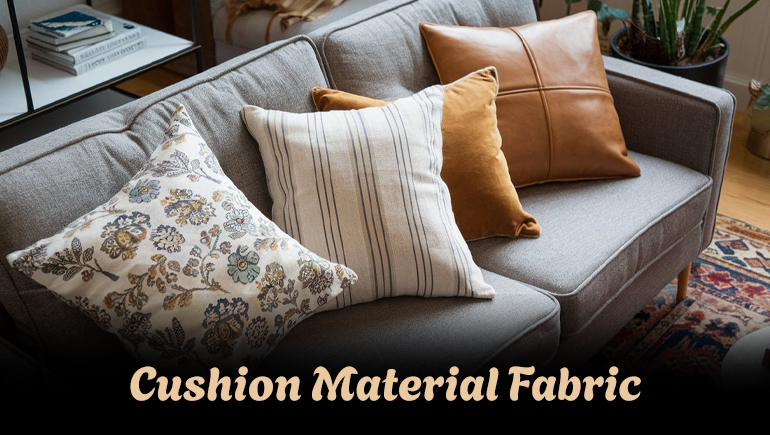
Cushions aren’t just soft blobs of fluff that make your sofa look Instagram-ready; they’re mini thrones of comfort, color, and personality.
But let's be honest for a moment: the cushion material fabric completely determines its perceived value, aesthetics, and coziness. Yes, it is correct! This choice can refine or ruin your comfortable space, whether it's for soft scatter pillows or rugged outdoor lounge pads.
Furthermore, it's critical to comprehend the significance of your cushion material selection. After all, fabric performs two primary functions:
Selecting your preferred color is only one aspect of choosing a cushion fabric; however, it's still enjoyable. You must consider:
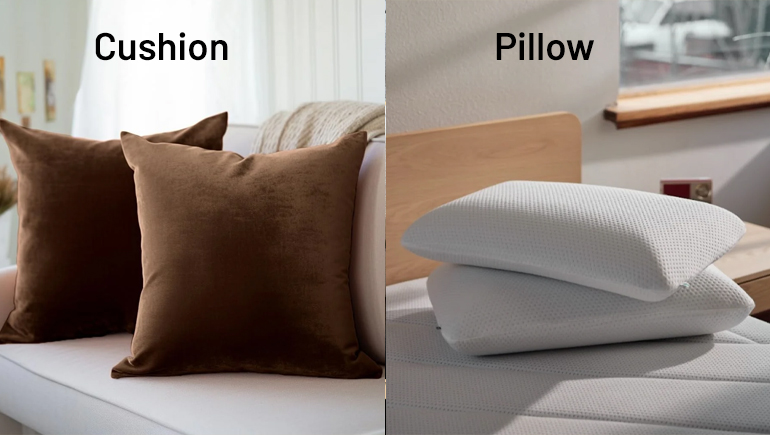
For clarity, a brief side note: Although cushions and pillows are frequently used interchangeably, there is a slight distinction. For comfortable seats, cushions are typically thicker, ornamental, and structured. Pillows, on the other hand, are often longer, plush, and made to facilitate restful sleep.
When choosing cushion fabrics or throw pillow fabric material, it is insightful to understand the differences. On a high-traffic bench, you wouldn't want a velvet pillow since it will quickly become dreary.
There appear to be countless alternatives when it comes to covering cushions. The most popular kinds of cushion cover cloth are broken down here, along with the characteristics that set each one apart:
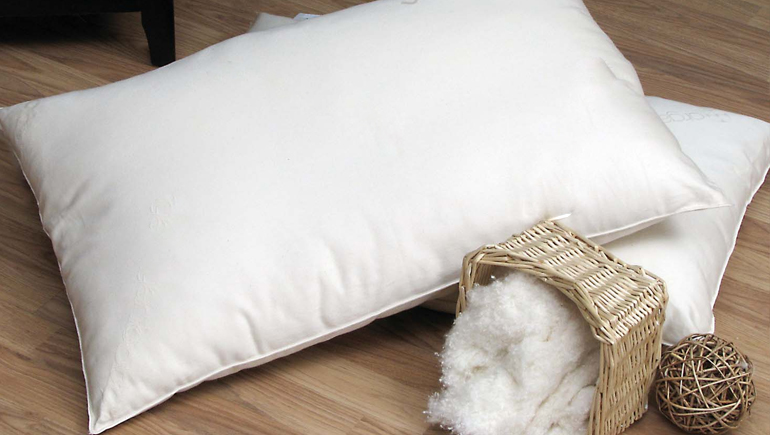
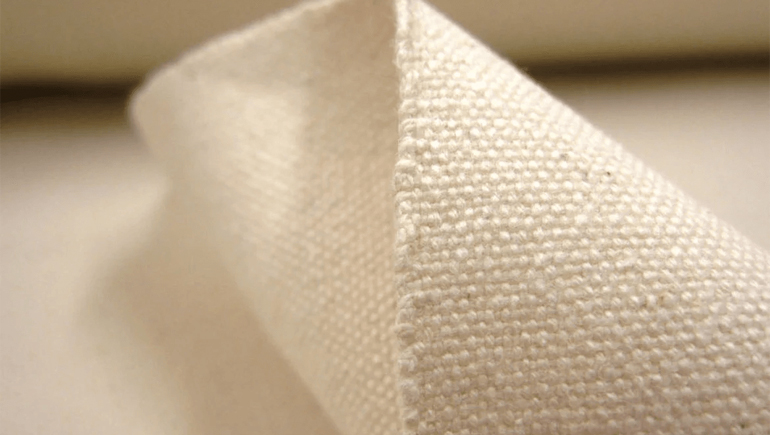
Cotton is similar to that trusty buddy who is there for you no matter what. It is perfect for indoor cushions because it is breathable, soft, and simple to clean. Cotton's natural weave gives any seating area in your household a relaxed, comfortable feel, and it works well with other materials. However, keep in mind that it should be used for lounges and bedrooms rather than sunny patios because it stains readily and can discolor in direct sunlight.
Styling & Design Tips:
To add dimensions of their own, use cotton cushions with throw pillow fabric featuring swirls and patterns.
For a lighthearted and carefree style, combine printed and solid cotton.
For a modest design interest, use contrasting piping or stitching.
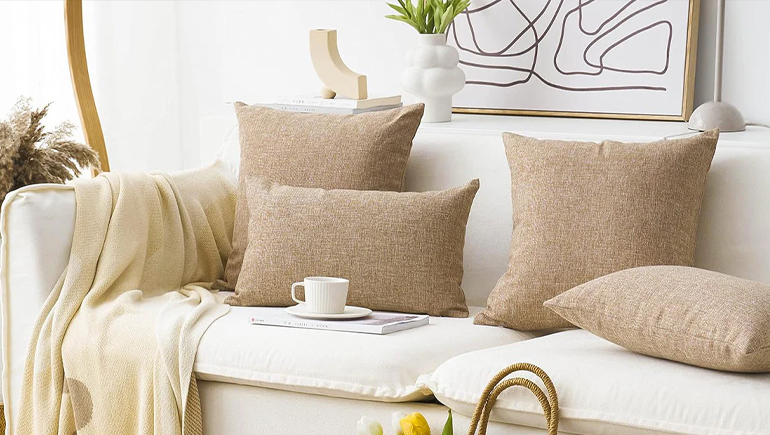
Linen expresses unfettered charm and relaxed grace, making it the ideal fabric for window seat cushions or a casual lounge because it is lightweight, breathable, and subtly textural. Linen softens over time, giving pillows a warm, lived-in feel. It is perfect for muted hues or natural tones because of its matte finish, which gives colors a delicate, polished look.
Styling & Design Tips:
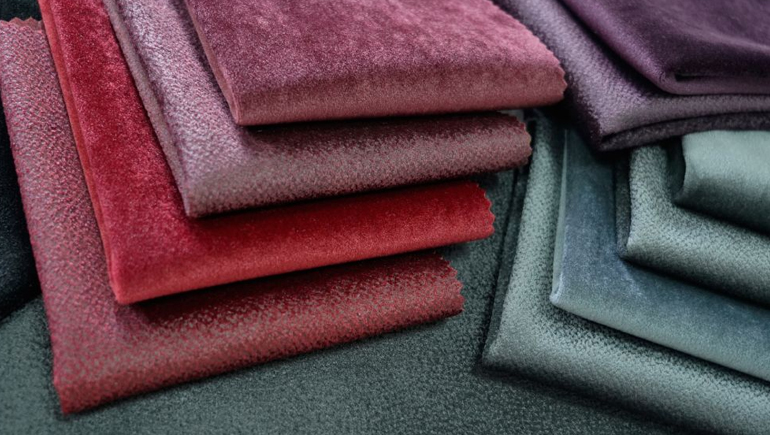
Velvet is the finest cushion material since it is opulent, sumptuous, and incredibly soft. Colorful hues like jewel tones or ochre cushion covers quickly make an impression, and they give any room depth and vibrancy. Moreover, it has a cozier, more upscale feel, but it requires a little more upkeep and cleaning.
Styling & Design Tips:
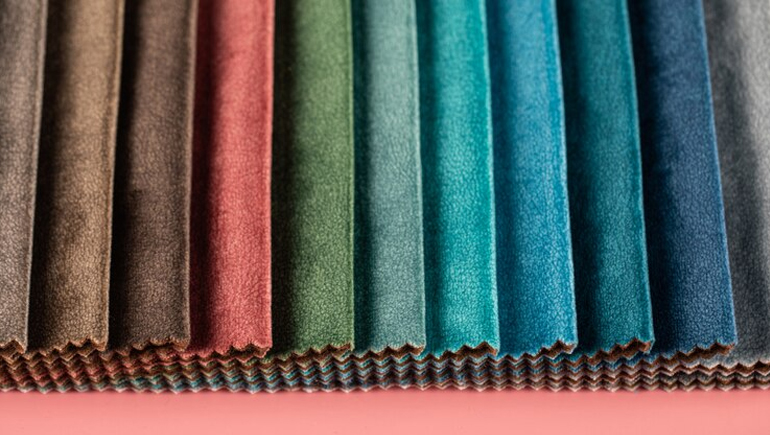
Synthetic fibers like polyester or microfiber are useful for use in cushions. Stain-resistant, long-lasting, and reasonably priced, they easily manage children, dogs, and places with heavy traffic. For fabric padding in living rooms, lounges, or informal seating spaces, polyester is a good choice. In particular, microfiber is incredibly spill-resistant and feels silky.
Styling & Design Tips:
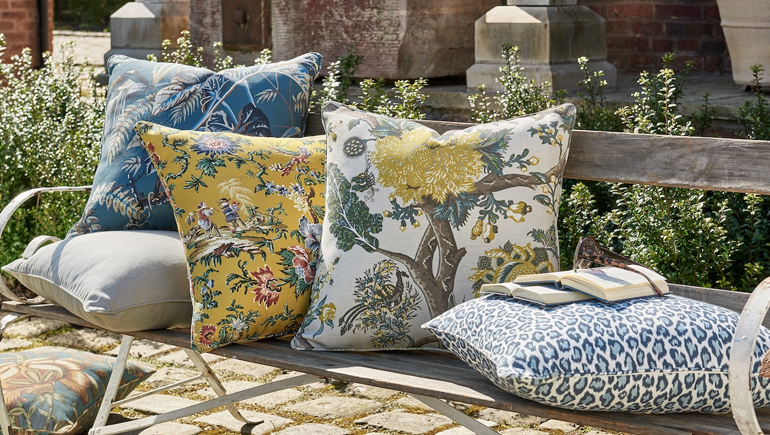
Outdoor fabric for cushions (for patios and decks) provides significant defense that outdoor cushions require. Cushions made of outdoor fabric are resistant to UV rays, mildew, and rainwater. Your seating will remain colorful and welcoming all year long since they hold their shades and patterns.
Fade-resistant Acrylic-coated textiles, easily cleaned Polyester with PU coating, and moisture-repellent Olefin/Polypropylene are the best waterproof materials for outdoor cushions. From muddy paws to unplanned pool splashes, outdoor cushion fabrics are made to withstand any kind of turmoil.
Styling & Design Tips:
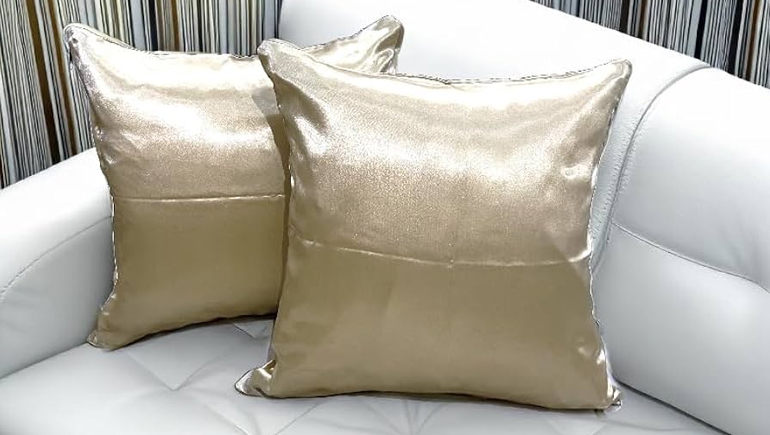
Silk cushions are opulent, glossy, and silky. They quickly add glitz and glamour to any area, but it is fragile and best used in low-traffic areas.
Styling & Design Tips:
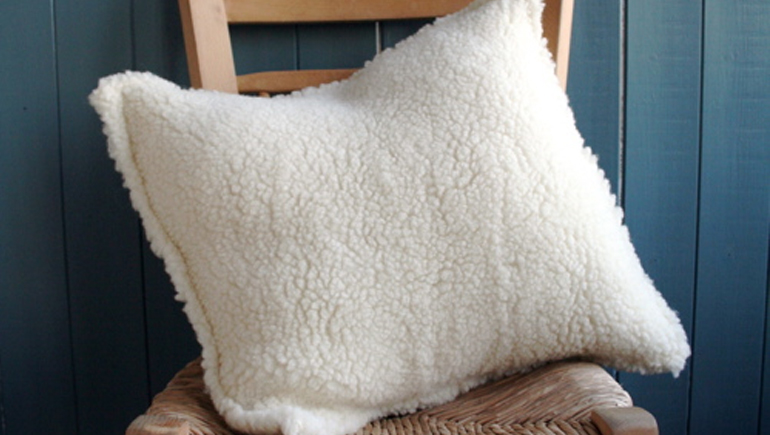
Wool pillows have a natural feel and are warm. It offers luxury and insulation, making it ideal for rustic settings or winter lounges. Moreover, this fabric works best for floor cushions or bold accent pillows because it is a little thicker.
Styling & Design Tips:
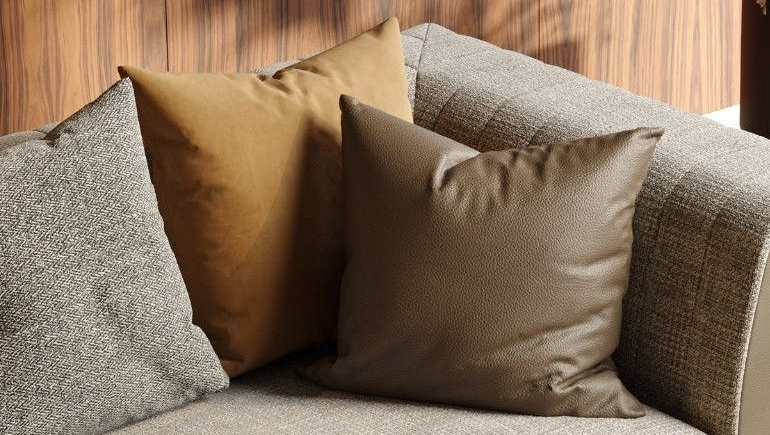
Leather fabric cushioning is classy, enduring, and fashion-forward. They are perfect for futuristic living rooms or minimalist homes because they are simple to clean. At first, leather may feel chilly to the touch, but over time, it softens and acquires personality.
Styling & Design Tips:
Read More: 13 Different Types of Taffeta Fabric Explained
Cushion designs affect how your fabric performs and how comfortable your seat feels. While stiffer materials like linen or weatherproof outdoor fabrics maintain their structure and appearance, stretchy options like cotton or polyester can adapt to odd shapes.
Among the most common types of cushions are:
If you're considering doing it yourself, you should realize that figuring out the material to cover cushions isn't really difficult. This is the easiest method:
Pro Tip: Always pick up a small amount of additional fabric cushioning. Errors occur, so you may want to add decorative borders or piping later.
Ah, the age-old question: how do I make a cushion cover? We won't give you an exhausting sewing exam, so don't worry. Making a pillow cover can be easy, fashionable, and fulfilling. Here's a brief summary:
Check our cut and sew services.
Selecting the ideal cushion material fabric is about comfort, functionality, and showcasing your individual style, whether you're looking for the best fabric for window seat cushions or considering waterproof fabric for outdoor cushions. Always remember to blend textures, take your lifestyle into account, and don't be afraid of striking hues like wacky designs or ochre sofa covers. Your cushions can be the focal point of your house with a little work and imagination.
Looking to get customized cushions? Contact Vel Clothing! We bring you choices of fabric, designing, sewing, printing, and embroidery. All at an affordable price!