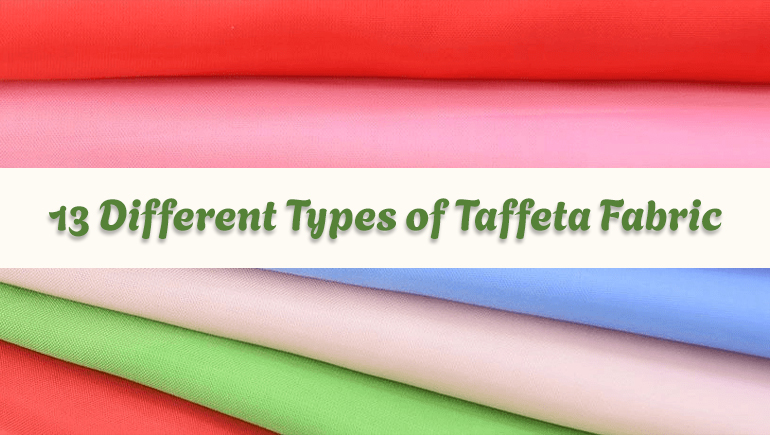
In the world of textiles, taffeta has always had a distinct place. For decades, this fabric, which is crisp, stunning, and wonderfully opulent, has been draped into iconic evening gowns, walked down fashion shows, and wrapped around royalty. However, despite its lovely appearance, taffeta is not a universal fabric. Each of the wide varieties has a different texture, luster, form, weight, and function.
Whether you’re a sewing aficionado looking for plaid silk taffeta or a fashion designer who admires poly taffeta lining fabric, learning the wide varieties of taffeta fabric will help you pick the ideal one for your project. We explore 13 distinct varieties of taffeta fabric below, ranging from classic silk to new, trendy blends.
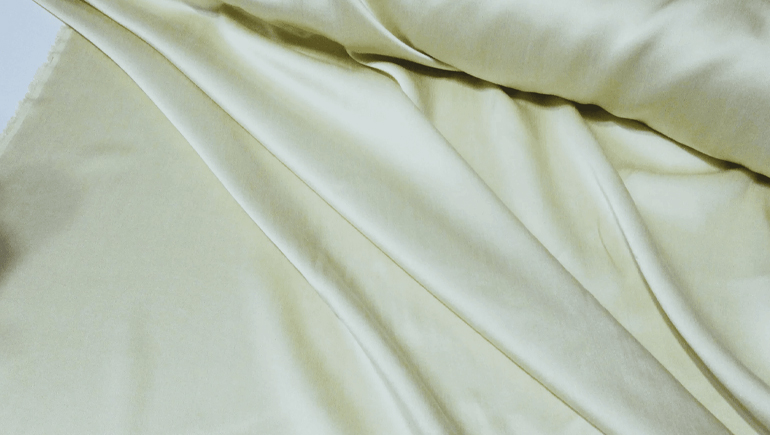
The taffeta word comes from the Persian “taftah”, meaning “twisted woven”, a nod to its tightly twisted yarns. It’s a stiff and tightly woven fabric known for its gentle sheen, smooth surface, and distinctive rustling sound. Traditionally made from silk, its modern variations include blends of polyester, nylon, and cotton.
The unique properties of taffeta include:
Unlike fluid satins or soft chiffons, taffeta holds its shape. It doesn’t drape, it sculpts. This makes it excellent for:
That iconic “swish” sound? That glossy, sculpted finish? Thanks to taffeta. But behind its signature look, a range of different styles lies. Here are the most favored types of taffeta fabric that make each one something special.
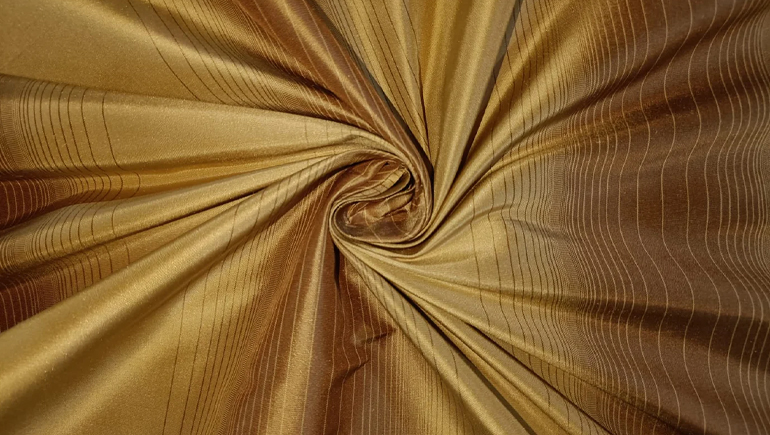
The original, lightweight, and most luxurious form, silk taffeta is made from 100% silk and weighs around 45–150 g/m². The best part? It is breathable, biodegradable, and feels cool against the skin, besides boasting a refined + natural sheen. Moreover, it is naturally crisp and carries the best "scroop.” This silk taffeta fabric is perfect for:
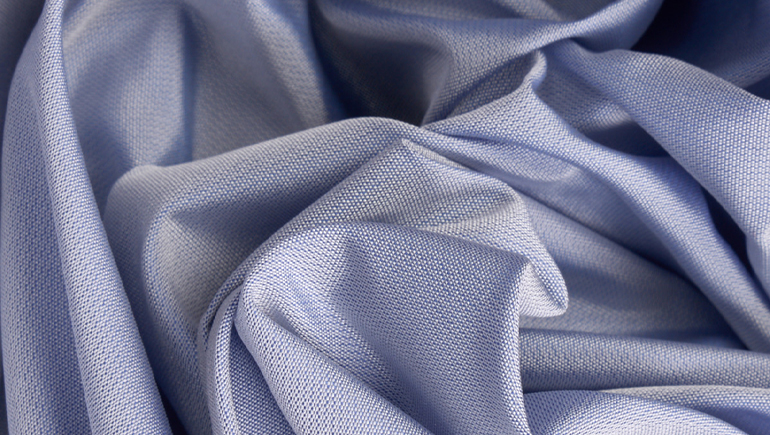
Poly taffeta is the most pocket-friendly and wrinkle-resistant version with a subtle glow of silk. Made from 100% polyester, this is durable and retains its shape. Also, it absorbs and displays colors brilliantly, making it the base for vibrant shades like red taffeta fabric, royal blue taffeta fabric, and ivory taffeta fabric. Its uses are ideal for:
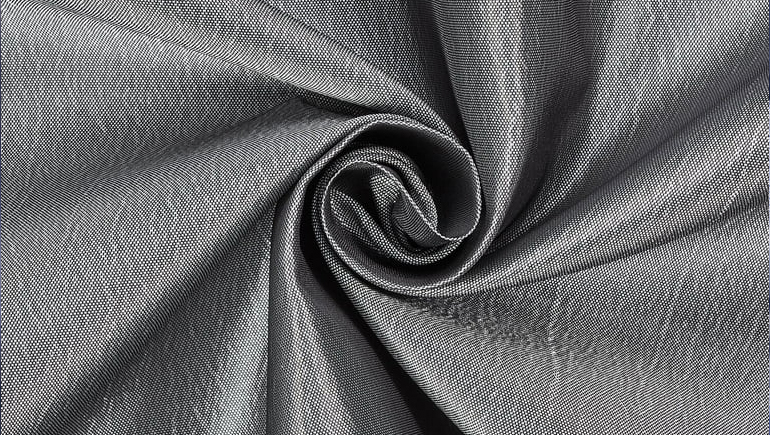
Nylon taffeta, prized as the weather-ready performer, is made from 100% nylon. It has a lightweight strength and built-in water resistance. This makes it quick-drying as well. Consider it less breathable than silk but a durable option. Most importantly, it is tear-resistant. This nylon taffeta waterproof fabric is a staple for:
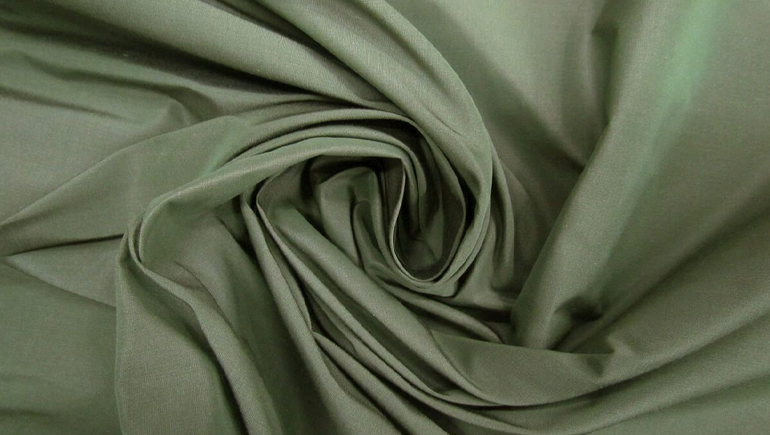
Cotton taffeta not only holds its shape but also is more breathable than synthetic versions, along with offering a shine similar to silk. But, yes, the cost is significantly less. Designers love how graceful the movement is. Lastly, this taffeta is made with a tight and plain weave, giving it a lustrous and structured appearance. Do you prefer aesthetics over toughness? Indeed, a great option for:

A modern innovation, stretch taffeta uses polyester or nylon material blends with 2–5% spandex/elastane for added flexibility. The result? The fabric retains crispness and firm texture while adding comfort and adaptability. This is popular in:
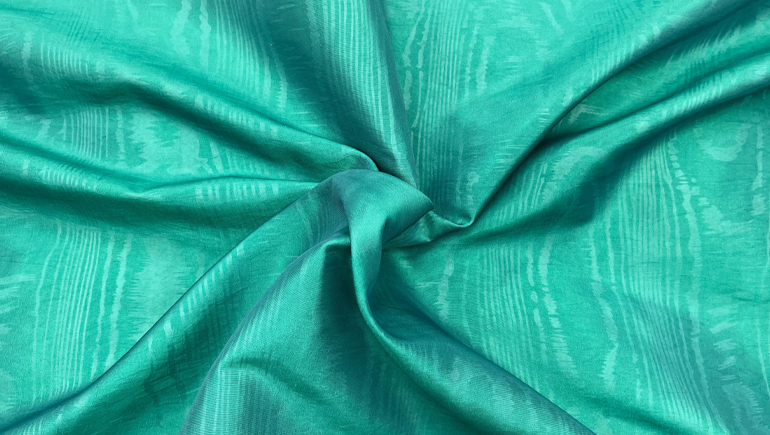
Known for its rippled and watermark-like finish, moire taffeta fabric is one of the most visually luxurious types. Moire is famous for its mesmerizing and wavy watermark pattern created by pressing two layers of fabric together under heat and pressure. The optical effect and classic silhouettes maximize its use for:
Also Read: Nylon Fabric – Everything You Need To Know

Best explained in two words: textured and wrinkled. Why? Crushed taffeta adds a permanent crinkled effect, giving evening wear a textured look without losing the fabric’s mirror-like shine. The visual depth and irregular finish make it different and more pleasant to the eyes. When it comes to the feel, it is slightly softer to touch and drapes sumptuously on the skin.
Suitable for adding character and amazing movement to garments, including:
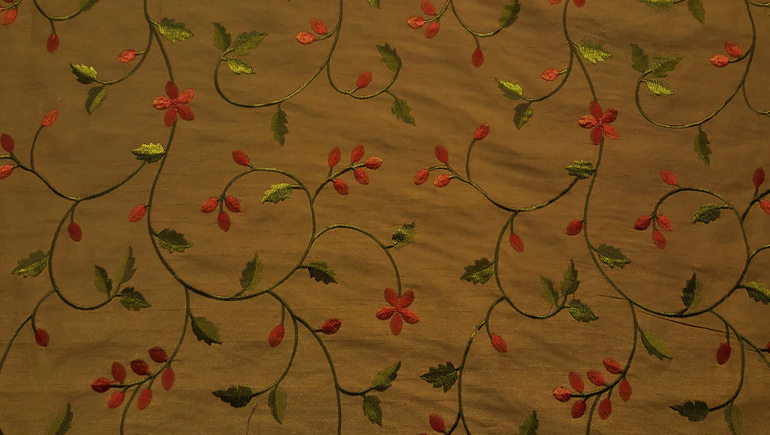
Features intricate patterns stitched directly onto the fabric, adding incredible texture and dimension for bridal wear, special occasion dresses, and lavish home decor. Most common in red carpet gowns and quinceañera dresses, it usually comes with attention-grabbing florals, vines, or geometric patterns.
Get embroidered silk taffeta fabric embellished with a soutache cord, sequins, gemstones, or whatever the designer wants to use. This type of taffeta is excellent for:
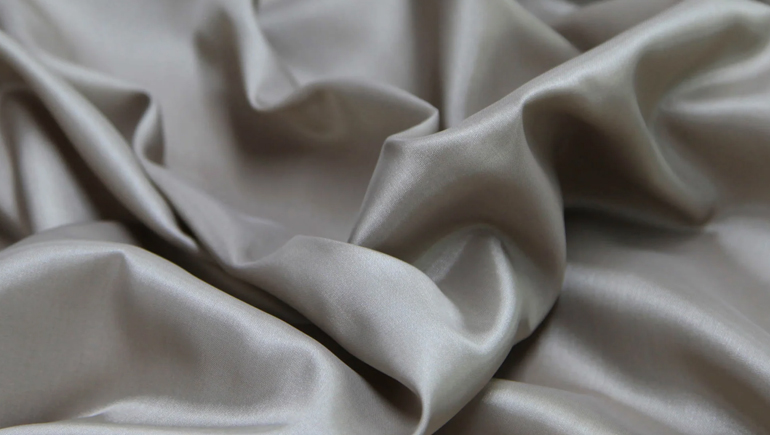
A taffeta lining fabric is a lightweight, crisp, and soft material commonly used to line garments and accessories. It is made from polyester or Bemberg. The tight and plain weave gives taffeta a slight shimmer and excellent structure, helping garments maintain their shape and feel smooth against the skin. Widely used in:
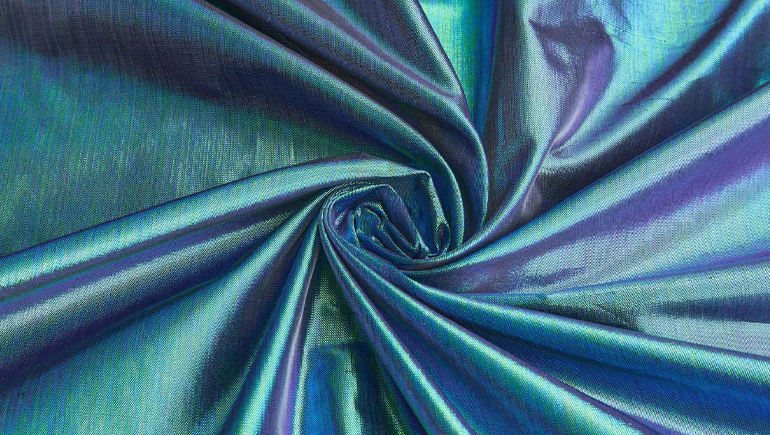
Changing color under light, two-tone taffeta fabric is created by weaving warp and weft threads in different colors. Optimal for theatrical costumes, eveningwear, and décor, it creates the best visual drama while ensuring a firm body. Always keep it listed for dreamy, unforgettable gowns. It is also known as 'Changeant' or 'Changeable Taffeta'. Colors it often comes in:
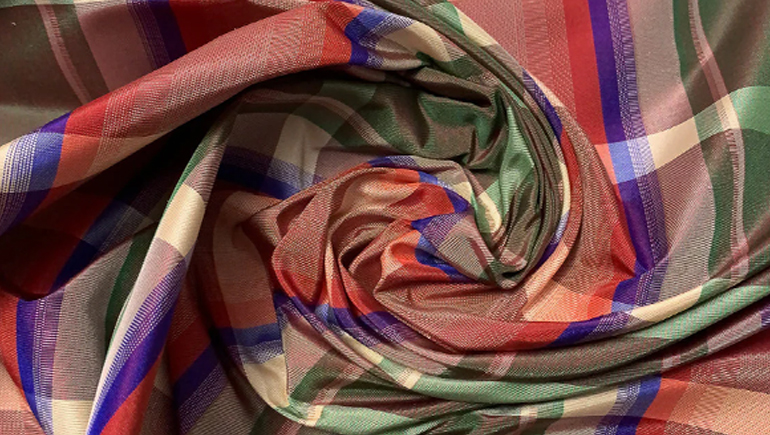
Available in both silk and synthetic versions, plaid taffeta blends taffeta’s bold shine and timeless charm with woven checks. Because of its lightweight yet firm drape, plaid taffeta fabric has become a luxe couture option - for dresses and décor.
The best part? Fabric feels luxuriously smooth, holds pleats, and drapes cleanly. From offering a gentle rustle to a shimmery finish, plaid taffeta makes it both traditional and fashion-forward. A go-to choice for:
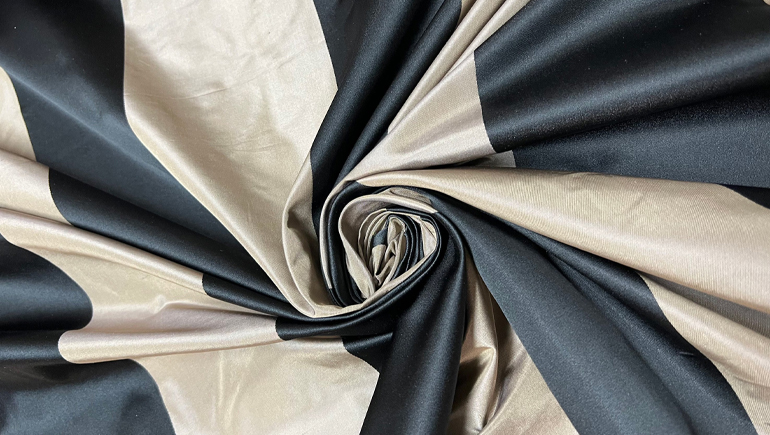
Its strong, soft, and woven fabric has a striped pattern to lend extra dimension and movement. The stripes can be created by weaving two layers of fabric with a contrasting stripe or by using different colored yarns. You can either opt for subtle tonal lines or mind-boggling hues. Known for a smooth yet slightly rustling finish, it is a favorite for formal skirts and drapery. It is impressive how taffeta naturally holds its shape for a sculpted drape. Whether used for formalwear or upscale décor, its charm stays unrivalled.
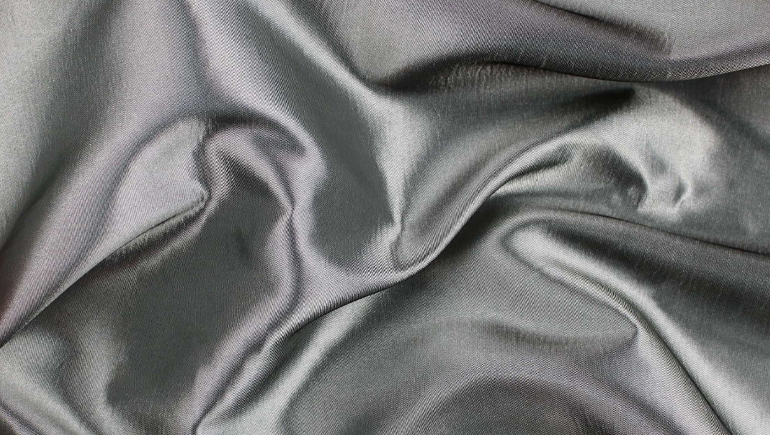
Metallic taffeta uses metallic fibres or foil coatings to create a reflective, high-shine surface. It presents a dynamic and intriguing appearance along with a stiffer structure that is loved in the theatre. Yes, it can be comparably expensive, but definitely worth it. This type is a favorite for:

Two fabrics. One decision. Taffeta brings the drama with its crisp texture, while satin seduces with silky smoothness. Both are amazing, but they serve very different purposes. Let’s take a closer look at taffeta and satin to see which fabric truly fits your style.
| Features | Taffeta Fabric | Satin Fabric |
| Weave | Plain weave | Satin weave |
| Texture | Crisp, Stiff, Structured | Fluid, Drapable, Soft |
| Surface | Fine, ribbed texture; subtle sheen | Ultra-smooth, glossy, high sheen |
| Feel | Can feel slightly "rustly" or papery | Silky and smooth to the touch |
| Sound | Rustles (“scroop”) | Silent |
| Lining | Yes (as taffeta lining) | Rarely |
| Best for | Ballgowns, suits, home decor, linings | Slip dresses, lingerie, flowing gowns |
Choose based on:
With a wide range of varieties, taffeta remains one of the most versatile fabrics in fashion and décor. From silk taffeta or nylon taffeta fabric by the yard, the options are countless. Whether it’s a show-stopping gown, a historical costume, or a durable jacket lining, understanding the types of taffeta helps you pick the perfect textile for your next project.
Want to learn more? Contact Vel Clothing fabric experts via email sales@velclothing.com.