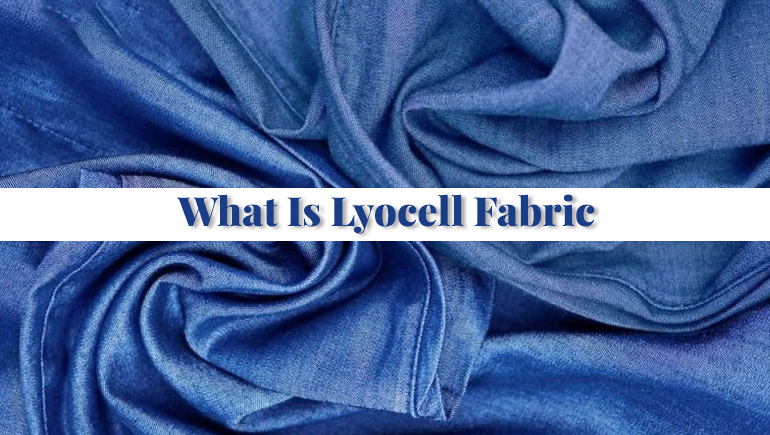
Ever read a clothing label and ask yourself what lyocell fabric is? The fiber is comfortable, breathable, and quite environmentally friendly, and it's not surprising that lyocell is slowly replacing cotton in recent times.
While conventional fabrics generate a large amount of waste and depend on an open-loop manufacturing process, the manufacturing of lyocell fabric clothing involves a closed-loop process where most of the chemicals used are recycled. Also, it is luxurious yet light on the earth and good to use. Remember, people no longer ignore sustainable fashion. At the core of it is one fabric: lyocell.
This guide will explain all you need to know about lyocell, from its manufacturing process to a comparison of cotton and lyocell, and why brands all over the world are jumping on board.
Lyocell is a semi-synthetic fiber that is derived from cellulose. It is a natural material (wood pulp) that has been chemically processed to be used as cloth and, therefore, is a fabric between natural and synthetic textiles. It is actually a sort of rayon. However, Lyocell is made in a much less environmentally harmful and more responsible manner. The result? A luxurious fabric, without the environmental consequences.
It's also often sold under its more recognizable brand name: TENCEL, made by Austrian firm Lenzing AG. When users ask what TENCEL lyocell fabric is, the answer is as simple as it is: TENCEL lyocell fabric is simply lyocell under a high-end brand.
Fact: According to Motor Intelligence, the global market size for lyocell fiber is expanding rapidly due to shifting textile demands, growing from an estimated $1.58 billion in 2025 to $1.71 billion in 2026, and is projected to reach $2.58 billion by 2031.
While Lyocell's presence has been around since the 1970s, the past couple of years have made it mainstream. People say that the buzz continues to grow more than ever for the following reasons: There's a growing awareness among consumers.
Consumers are now actively reading labels and selecting fabrics that reflect their values. Many consumers worldwide are already taking sustainability factors into account when buying fashion.
According to Dataintelo, looking at the broader textile landscape, the specific global lyocell fabric sector is expected to see prolonged interest, projected to hit a valuation of $4.0 billion by 2034 with a steady compound annual growth rate (CAGR) of 7.4%.
Top brands are in! Many mid- and high-end fashion brands now have a selection of collections that include lyocell or TENCEL! If giants of industry do it, so does the market.
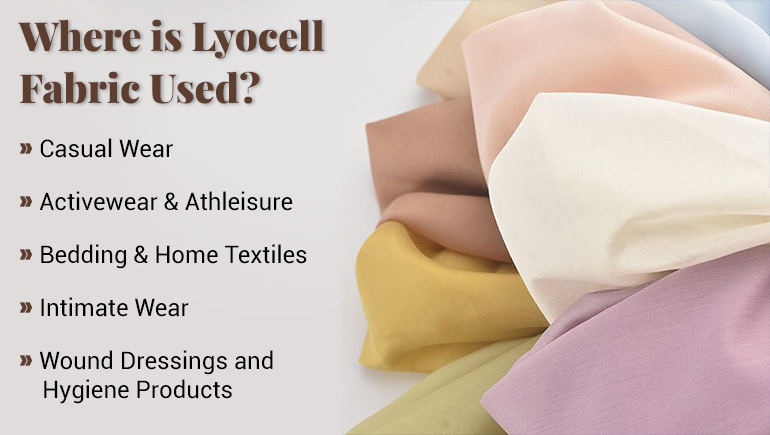
Most people don't know the uses of Lyocell fabric. Don't worry, we are bringing you all the essential details:
Bonus: Lyocell fabric can also be available by the yard and bought from specialty fabric stores or online fabric retailers for custom garment making and designing.
Let's de-myth and deconstruct the process…
The manufacturing process is referred to as a closed-loop process, and it is one of the cleanest in the textile sector.
Process: The wood pulp is dissolved in the non-toxic NMMO solvent. The solution then goes through fine spinnerets that make soft fibers. The game-changer: about 99% of the NMMO solvent is captured, purified, and reused in the next production round. Virtually nothing is wasted.
This is different from the traditional viscose or rayon manufacturing process, which pollutes water bodies and the air. Indeed, Lyocell's closed-loop manufacturing process is unique and makes it a truly eco-friendly fabric.
Wood pulp sourced for Lyocell is derived from forests, which are managed sustainably, many of which are FSC certified (Forest Stewardship Council). Eucalyptus is the most popular source as it is fast-growing, grows without irrigation, and does not require pesticides. Lyocell consumes much less water and land than cotton. Cotton is one of the thirstiest crops on Earth (lyocell turns that on its head).
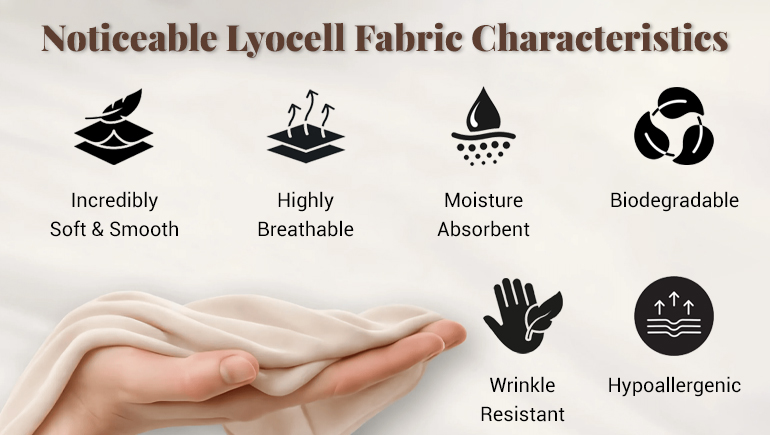
Can't tell what makes Lyocell special? It's packed with exceptional features, including:
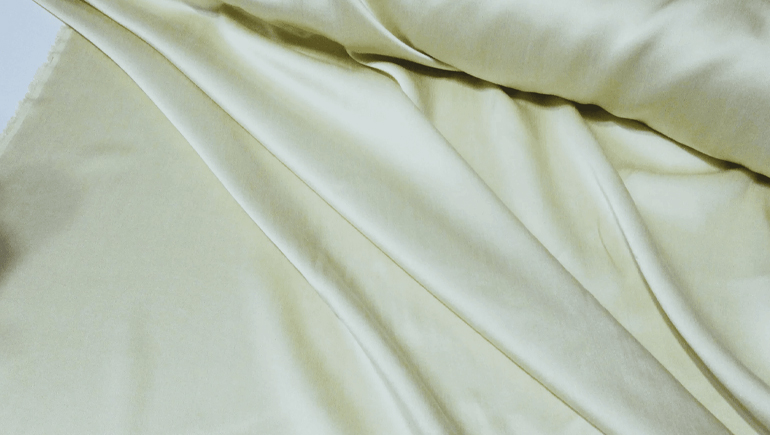
What first comes to mind for people when they see the lyocell? It feels great. Lyocell is actually smooth, just like top-quality silk or modal. It slides across the skin without any friction. Yes, it is an ideal fabric for all people, from those with sensitive skin to everyday wear.
Lyocell's structure allows air to flow freely through the fabric. It is perfect for warm weather, warm days, and/or warm running. Further, it evaporates sweat from the skin and allows the skin to breathe.
The absorbent capacity of Lyocell is as high as 50% more than cotton. This results in a more comfortable experience, with significantly less “clammy” and odor problems, whether you're working in the office or going to the gym.
Once Lyocell has reached the end of its life, it will decompose naturally. No microplastics &. No permanent damage to the environment! This is one of the major reasons that eco-friendly fashion lovers love this fabric.
Wrinkle-Resistant
Lyocell is very form-stable. Unlike cotton or linen, lyocell fabric shirts don't wrinkle easily, making them a great choice for traveling, work, or any time you want to look sharp with minimal effort.
Sensitive skin? Lyocell is a friend, a friend of the environment. A smooth fiber surface means it won't irritate the skin, and it doesn't contain the chemicals used to produce conventional fabrics. Besides, it is generally recommended for individuals with allergies and eczema.
Read More: What is cupro fabric? A dive into luxury fabric
In comparing Lyocell fabric vs cotton and other fabrics, it's clear that there are differences. Let's compare these fabrics:
| Feature | Lyocell | Cotton | Cotton | Viscose |
| Eco-Friendly | High | Medium | Low | Medium |
| Softness | Very Soft | Soft | Rough | Soft |
| Breathability | High | High | Low | Medium |
| Durability | Strong | Medium | High | Low |
| Biodegradable | Yes | Yes | No | Partial |
| Moisture Absorption | Excellent | Good | Poor | Moderate |
| Hypoallergenic | Yes | Sometimes | No | Varies |
As indicated in the table, Lyocell beats most of the common fabrics in almost all categories. Not only is it breathable like cotton, but it also has much better sustainability than cotton, and it's also durable, which viscose just can't compete with.
Bonus: Not only is lyocell denim fabric a newer iteration that combines lyocell and denim, but it's also a fabric that provides a more comfortable and noticeably softer experience when it comes to wearing denim. Unlike traditional denim, which is stiff and water-intensive, lyocell denim is water-saving and soft. Unlike stiff and water-intensive traditional denim, lyocell denim is soft and water-saving.
It can, but it will not unless it's mishandled. When you wash it using a gentle, cold wash cycle and avoid tumble drying it on high heat, you're likely to experience minimal lyocell fabric shrinkage. (Yes, it is normal). Moreover, the safest method of drying is air drying. When properly cared for, lyocell apparel maintains its form over an extended period of time effectively.
The answer to the question 'will lyocell fabric shrink' is, of course, yes, provided it is exposed to too high temperatures. Please read the care label, as most lyocell products work best when they are air-dried, on a low or no-heat dry setting, or simply laid flat.
You must be wondering what about the stretchy aspect of Lyocell fabric. Well, moderately stretchy lyocell fabric is not the best for athletic uses, but it is adequate for comfort. Also, with the addition of elastane or spandex, the stretchy properties of lyocell fabric are greatly enhanced. A lot of activewear companies combine lyocell with stretch fibers to obtain the best of each.
It's no wonder that in the world of sustainable fashion, lyocell fabric is the focal point of discussion. It is a soft, breathable, and eco-friendly fabric that performs well for versatile purposes. Besides offering comfort all day long, lyocell is also environmentally friendly and (might be) the softest fabric to wear in four seasons.
The next time you are looking at a clothing label, you'll see Lyocell or Tencel; BUY IT! It can be a real game-changer for your wardrobe and world. Whether you want something custom-made in lyocell, damask, or woven fabric, visit Vel Clothing; we offer a line of high-quality tailored attire and accessories such as shirts, gym gear, scarves, gloves, and pants. Give us a call today at +804-294-1966.