Whether you're making tote bags, furniture, or workwear, canvas fabric is the first choice because of its durability, style, and usability. In fact, cotton is one of the most versatile, durable, and breathable fabrics of all time. However, there are numerous weights, weaves, and finishes that can be picked per need.
Moreover, canvas was originally used to make sails for ships and military tents, as it could withstand the rough weather and heavy usage. Now, it is enjoyed for its durability, breathability, versatility, and efficiency. Well, two of the major distinctions between canvas fabric and regular cotton are the weight and density. Yes, the thickness and firmness of regular cotton and canvas are different.
Despite being an experienced crafter or someone just learning how to sew your first yard of cloth, this is the only guide you need. After all, many people pick the wrong cotton due to a lack of awareness about the fabric. This guide will put an end to that! You'll understand what cotton canvas is, how it's graded, what sort you need for your project, and what you should be wary of when purchasing it, to spend smarter and create better.
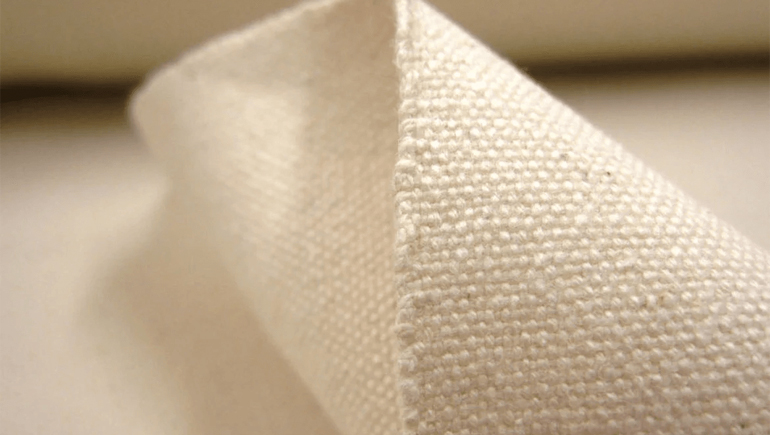
It is a thick, natural cotton fibre fabric where threads are compactly woven (plain weave). This creates a strong and durable surface that lasts longer, is naturally breathable, and becomes softer with use. On the one hand, canvas remains cool and comfortable. On the other hand, it's environmentally friendly.
Depending on its intended application, cotton canvas can be treated with wax or coatings for toughness and water repellent properties, dyed for color jobs, or left unbleached for a pure or raw appearance. These treatments have a big impact on the fabric's function, look, and texture. Lastly, untreated canvas is not inherently waterproof and may shrink slightly after laundering.
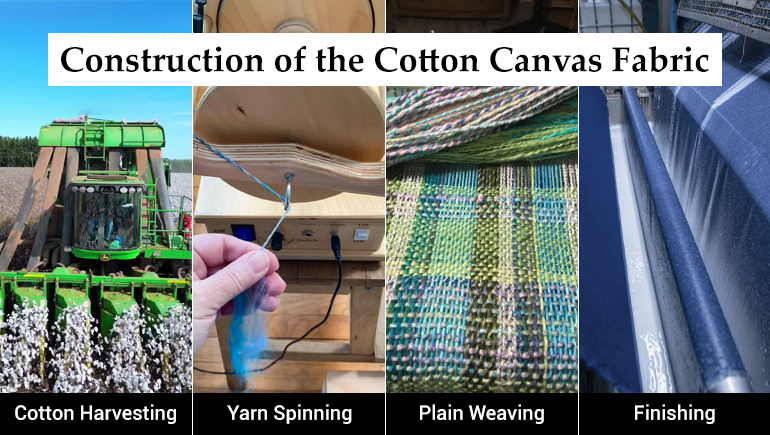
You can also read: What is Cupro Fabric | A Dive into the Luxury Fabric You Didn’t Know You Needed
The weight of cotton canvas fabric, expressed in GSM (grams per square meter), is one of its most crucial characteristics. While a heavier/bulkier canvas (350–600+ GSM) is typically utilized for upholstery, outdoor gear, and professional clothing, lighter GSM canvas (around 200–300 GSM) is lighter and appropriate for handicrafts or tote bags. The cloth gets thicker and more resilient as the GSM increases.
Tip: For larger quantities, go for cotton canvas fabric by the yard.
The fact is, cotton canvas is not waterproof! But it can be treated to become water-resistant. In the event of light rain and moisture, waxed or treated canvas will provide good resistance. So, what exactly is the difference then? It slows down or decreases water absorption. Water will not pass through at all.
Follow these easy guidelines:
Canvas is ideal for outdoor covers, jackets, and bags. Leaving canvas untreated is preferable for crafts, artwork, and interior design.
There are multiple styles of cotton canvas fabric, each intended for varying degrees of strength, texture, and function. Every type, from heavy-duty waxed and duck canvas to lightweight plain canvas, has a specific use in outdoor, fashion, décor, and art.
| Type | Description | Common Uses |
| Plain Canvas | The simplest type of canvas with a straightforward weave, it is inexpensive and simple to manage. | Art projects, casual bags, shoes, DIY crafts |
| Duck Canvas Fabric | Compared to plain canvas, it has a tighter, thicker weave and is far more resilient to abrasions. | Workwear, outdoor clothing, heavy-duty bags |
| Primed Artist Canvas | Pre-coated with gesso for painting; enhances color vibrancy and paint adherence. | Professional painting, art studios, canvas art |
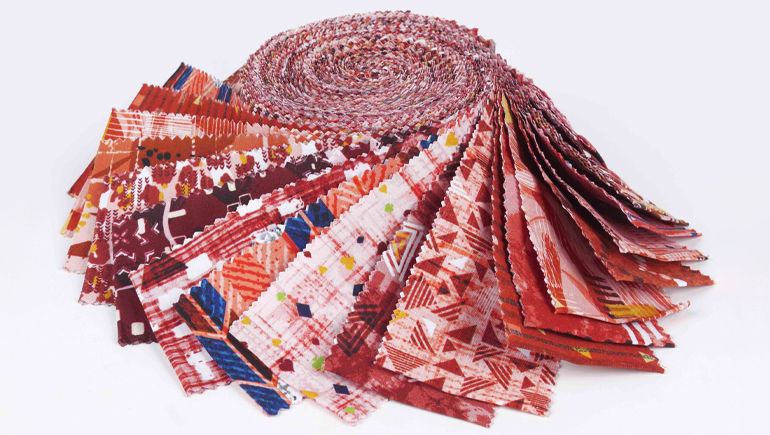
| Printed Canvas Fabric | Canvas with printed patterns or decorative designs for aesthetic appeal. | Home décor, fashion accessories, creative projects |
| Waxed Canvas Fabric | Wax treatment gives it a rough texture and water resistance, making it more protective than regular canvas. | Outdoor gear, jackets, backpacks, travel bags |
What is cotton canvas fabric used for? This cloth appears to be virtually all over the place.
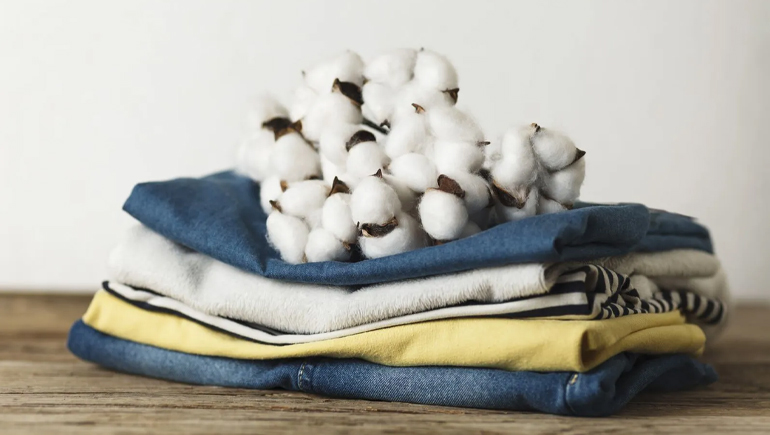
Jackets, pants, and hats made of cotton canvas are loved. As this promises not only strength but also structure and timeless appeal, canvas is also used in shoes, workwear, and military uniforms. Thanks to its resilient nature and rugged texture, which can persist in tough situations.
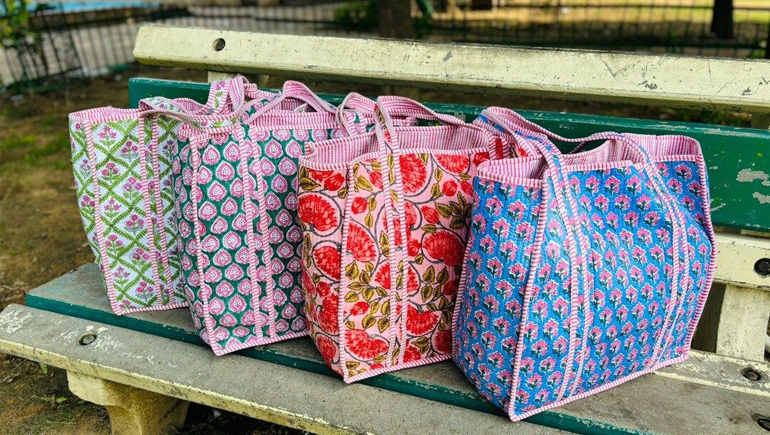
Bags and accessories are among the biggest and most common uses for cotton canvas. It provides the ideal ratio of durability and lightweight comfort for everything from laptop carriers and duffel bags to daily tote bags and backpacks. Further, cotton is closely linked to sustainable fashion because of its longevity, which makes it perfect for frequent use.
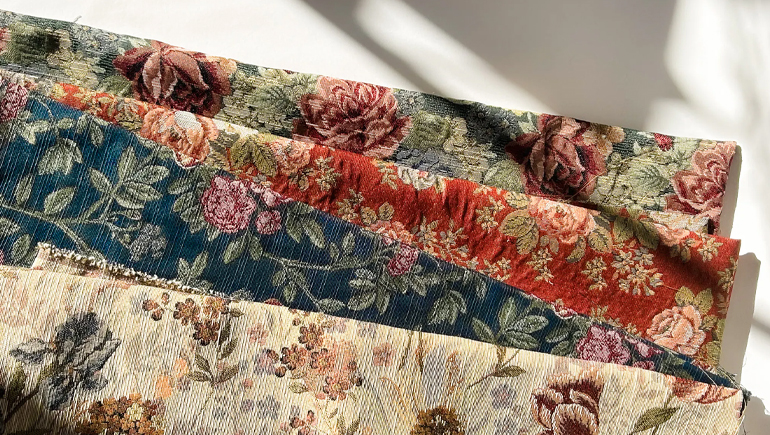
Canvas is a great material for curtains and cushion covers. Besides, sofa slipcovers, protective drop cloths, and table linens can be made from heavier canvas. Reasons? It is cost-effective, washable, and can easily be replaced if necessary. Canvas is a wise choice for both ornamental and functional uses in contemporary homes due to its extended lifespan.
For ages, cotton canvas has been a reliable medium in the art world. Its robust weave and superior surface grip make it a dependable foundation for painting, sketching, and embroidery. It is frequently used in schools, do-it-yourself craft projects, and handcrafted décor items in addition to professional settings. It is popular among both artists and amateurs due to its capacity to hold paint, ink, and stitching without deformation.
Seeing how widely used materials like cotton, denim, polyester, and linen help determine their actual worth.
Cotton canvas fabric is really a versatile and durable fabric. It's highly rigid and can be used in a wide variety of projects. It's a must-have, ranging from bags to home decor! Knowing what linen, cotton, and canvas fabrics are used for will also help. The mix of canvas and linen provides a soft feel, along with the strength of canvas, ideal for higher-quality apparel and accessories.
If you're looking to create your next project, you're only a click away from getting started. Today, any type of cotton canvas can be found at high quality at Vel Clothing. Whether you're making bags, decorating, or creating apparel, we've got you covered. Looking for bulk orders or have questions? Call us today at +804-294-1966. Let's make your fabric ideas a reality.