Damask is one of the elements for creative designers and elite brands who want to always be luxurious, masterful, and memorable in appearance.
The increased need for luxury fabrics has brought back the heritage collection that offers both traditional fabrics and innovation. Damask is the most important tool of this movement, representing the taste, high level of expertise, and highest value.
Since ancient times, in the royal palaces, present-day fashion runways, and carpets in a boutique, damask has been an exotic pick. Moreover, the reversible designs, light surface, and the structured feel are its signature qualities. Such features add depth to the visual experience that simple fabrics can never match. Therefore, Silk Damask fabric still reigns supreme for multipurpose use.
The question posed by many artists: What is damask fabric, and why is it something special?
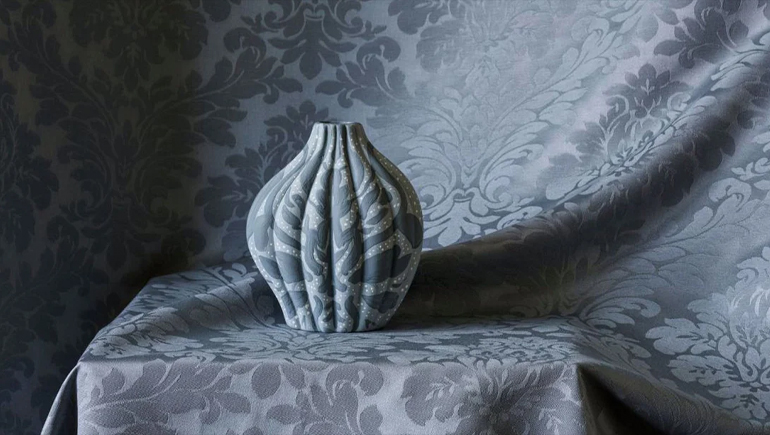
Damask is a patterned fabric made with a complicated weaving method. The design is made directly on the piece of cloth and not on the outer surface. The old form of damask handloom weaving involved the use of handlooms and silk thread, where reversible designs were created with a high and a low shine effect.
Damask currently exists in various fibre combinations for several applications. On the one hand, silk damask is the ultimate luxury fashion. On the other hand, cotton damask is a breathable tablecloth and home decoration fabric.
Tip: present this fabric in an opulent custom clothing packaging for optimised appearance and vibe.
Damask cloth is loaded with a centuries-long cultural and artistic heritage. It dates back to ancient Damascus, where professional weavers provided the elite merchants and royal families. Further, the cloth was later exchanged along the Silk Roads to Europe and Asia, and it became a treasure of the nobility.
Kings, queens, and noble families would wear damask as a symbol of power and that of high class, in ceremonial attire, in palace fabrics, and as decorative furnishings.
Damask weaving was a noble art of Europe during the Renaissance. Its designs were raised in Italian and French workshops with:
Most fashion houses and interior designers today still utilize this fabric to remind us of heritage, grandeur, and exclusivity.
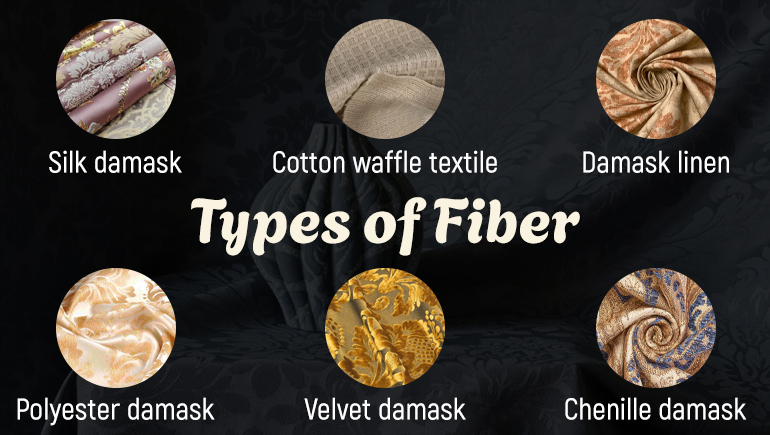
Damask fiber composition determines the texture, performance, and price.
The types of fibers have varying design purposes. Fashion houses use silk, which is exclusive, and interior brands prefer polyester or linen mixtures because they are functional. Furthermore, the versatility gives designers an opportunity to get damask fabric in green, blue, gold, or neutral.
Read More: Knitted Fabric 101: Types, Uses & Finishing Techniques
Damask is costly and opulent due to its intricate manufacture, substance, and ornate design.
Damask is exquisitely woven by a method of control that is very strict and needs precise machines as well as skilled textile engineering. The designs are not printed but consist of thread-by-thread work, and this contributes immensely to the time.
The fundamental materials that are used to make the luxury damask are silk, fine cotton, linen, and hi-tech blended yarns. These are finer in softness, along with natural lustre and amazing strength.
The quality of Damask shows a special relationship of matte plus sateen weaving to give rise to glossy surfaces. The contrast creates a slight reflection of light and dimensional patterns, which are rich and not overstated.
Since time immemorial, it has been associated with kings, court clothing, and court decorations. This is a historical prestige that is still present in modern luxury branding. Yes, it is preferred by designers and interior experts who want to provide individuality.
Understanding how damask differs from similar textiles helps in selecting the right material.
| Feature | Damask Fabric | Brocade Fabric | Jacquard Fabric |
| Pattern Method | Woven reversible motifs | Raised woven patterns | Woven controlled designs |
| Texture | Smooth with sheen contrast | Heavier and textured | Varies by weave |
| Weight | Medium to heavy | Heavy | Light to heavy |
| Best Use | Fashion & interiors | Ceremonial wear | Broad applications |
| Visual Effect | Subtle Elegance | Bold ornamentation | Customizable |
The pattern structure is made up of woven patterns; this makes the design remain intact even after many years of use. Nevertheless, the needs of the care differ depending on the type of fiber.
To maintain the sharpness of the pattern, one should not subject it to unnecessary friction and direct sunshine. Most importantly, the upholstery should be vacuumed regularly, and the linens should be gently washed to keep them in good condition. Proper upkeep makes damask textiles never lose their beauty, touch, and color glory.
Damask lives up to its name of being a long-term investment in luxuries!
The choice of the damask will be made based on the intended use and design.
Pattern scale must be in line with the shape of a garment or the size of a room.
Lighting, brand identity, and usage requirements should be complemented by color and finish. Careful choice will also make sure that the damask will add functionality and appearance.
Damask, with its fine woven work and high-quality texture, will continue to be a luxury throughout the ages. Moreover, it is a very versatile material in terms of fibers, colors, and patterns. If you are looking for a cushion or pillow cover, skirts, and a gown of sassy damask fabric, contact Vel Clothing. You want damask fabric yard by the yard, damask fabric in the purely couture grade of silk, or damask fabric that is tough enough to serve on the upholstery; you can count on us.
Ring us on +804-294-1966 or shoot us an email at sales@velclothing.com for not only top-notch clothing but also remarkable custom packaging to give your products the classic style.