Have you ever wondered why your favorite sweater feels like a warm hug? You may feel like it's made for your body. This does not happen by chance. It's magic in the fabric. This textile wonder is a knitted fabric material.
Knitted fabrics offer more stretch, better recovery, and a softer handle than woven fabrics. It's actually changing the way we experience clothing. But how did this looped construction become popular in fashion, sports, and even home textiles? How do you choose the right one when so many types are available?
This blog will explain everything you want to know about knitted fiber and its types. You will also learn their uses and finishing methods to help you pick the right one.
Let's begin stitch by stitch.
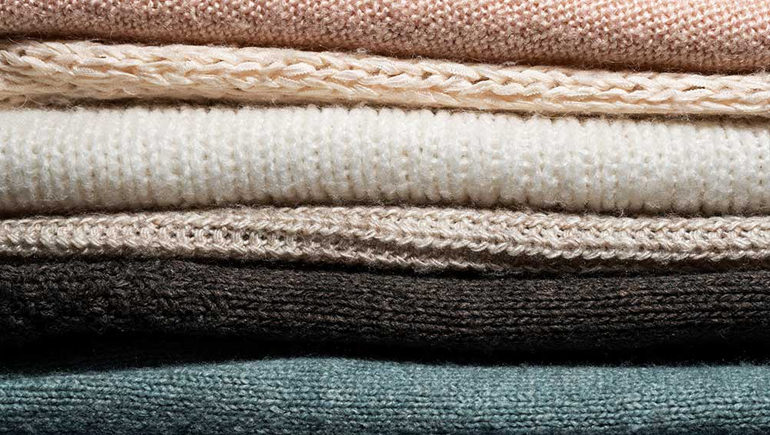
Knitted fabric is produced by interlooping yarns, creating a flexible, breathable, and stretchable material. It offers exceptional elasticity and a softer touch. The unique looped structure provides enhanced shape recovery and comfort. This makes it the perfect choice for:

The construction method in knitted fabric is very important. There are two core knitting styles: weft and warp. Let's discuss how their unique features shape the fabric we love.
This method forms loops horizontally from a single yarn. Each row builds on the one before, creating circular or flat patterns. This results in a warm and elastic fabric. The yarn type and knit density determine its texture and stretch. These properties also cause the fabric to curl in the waves and coarse directions.
This technique creates fabric by forming vertical loops from each warp yarn, with each yarn using its own needle. It has a smoother and diagonal crisscross pattern. Warp knit is less flexible but softer and warmer. But tricot (warp) is less warm than weft knits like fleece. Ideal for any specific uses.
Below are some widely used knit fabric constructions. Explore what makes each one so special.

An absorbent and comfortable material. This soft and breathable cotton knit fabric is ideal for tees or casual wear.
Wholesale Tip: Many brands look for cotton knit fabric pink red wholesale for seasonal collections. Request pre-dyed rolls from certified mills to ensure color consistency.

It is made with two sets of needles. Two layers are tightly bound in this material. This creates a thicker and more structured fabric than single knits. It offers durability and a smooth finish. An excellent choice for tailored jackets or skirts.

It is known for its wrinkle resistance and moisture-wicking properties. Polyester knit fabric is widely used in gym wear. It is often blended with spandex for activewear. Less breathable than cotton but excellent for exercise clothing.

This knit material features vertical ridges and has high elasticity. It is a good option for form-fitting garments. It offers excellent stretch and recovery. A very common fabric for cuffs, collars, and waistbands.

This stretchy and textured fabric is made from knitted cotton yarn. Combining the softness of cotton with the elasticity of rib knitting, this material is perfect for snug-fitting garments and babywear.

This material mimics neoprene with a smooth texture and slight bounce. It’s preferred for structured dresses and trendsetting pieces.

Often overlooked! Knitted mattress fabric is a technical warp-knit that provides breathability and comfort. It is used in bedding and upholstery.

This material is a lightweight and breathable option with a natural texture. Linen knit fabric is ideal for summer garments.

Warm and insulating. A perfect choice for winter wear. Wool knit fabric is commonly used in sweaters and cardigans.

Luxurious and smooth. Silk jersey knit fabric drapes beautifully. A popular choice in fashion for dresses, blouses, and lingerie.

This material features a textured and checkered pattern. It’s popular in loungewear and blankets.

It showcases twisted yarns resembling ropes. It’s a classic choice for comfortable sweaters and winter accessories.

This knit material incorporates intricate patterns into the fabric. It is common in signature pieces like jackets and upholstery.

This fabric offers exceptional stretch and recovery. The best fabric for sportswear and leggings.

This material has the look and feel of wool. Lightweight and easy to machine wash. It’s used in economic sweaters and accessories.

Rib knit and interlock knit are quite similar. Some experts consider interlock knit a type of ribbing because it's made with two needles. It also looks like two single-knit layers stacked together. Ideal for pants and skirts.

A type of knitted terry cloth with loops and plush on one side and a smooth surface on the other. Typically, the inside of the garments. A lightweight and breathable option. More comfortable option due to its sweat-absorbent feature.

This material features a deep and thick pile that makes it warm and stretchable. Due to its quick-drying properties, this fleece knit fabric is perfect for athletic wear.

Using a single set of latch needles and spun yarn, knits can be layered or lacy. They can be single-faced or reversible, stable or stretchy, open or lofty in complex patterns. The Raschel warp knitting machine's high level of customization allows for a wide range of fabrics. It is suitable for almost any garment.

Tricot knit is created with one set of beard needles and filament yarns. It produces a smooth surface with thick stitches. This construction gives it excellent breathability, softness, wrinkle resistance, and drape. A perfect option for lingerie and intimate apparel.

A semi-synthetic alternative to silk. Rayon jersey knit offers drape and breathability. It is great for flowy dresses and summer tops.
Note: It can shrink if not pre-washed.
Knit fabric finishing techniques enhance the performance and appearance. Here are the most common practices:
Knits are everywhere in winter because they move with the body. From silk jersey knit fabric on runways to knitted mattress fabric in bedding, they are made for your comfort.
Understanding your knit is key to quality, cost, and customer satisfaction. Whether you are looking for flexibility or warmth, knitted fabric material has something for every need.
If you are looking to source premium knitted fabrics, Vel Clothing is here to help. Email us at sales@velclothing.com.