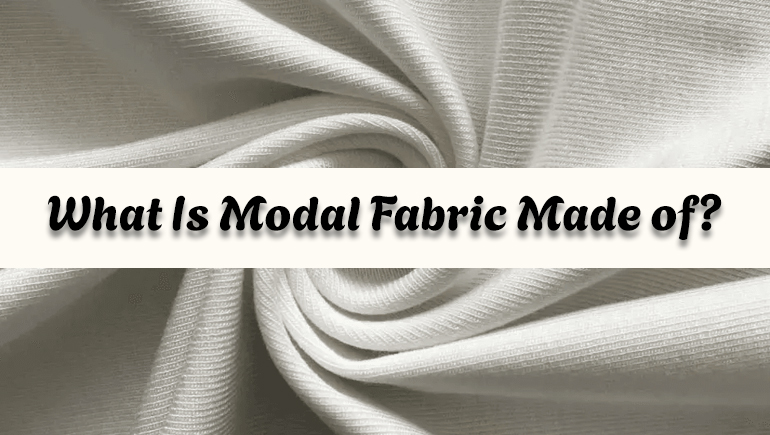
If you’ve ever worn a T-shirt that feels silky and keeps you cool all day, you likely have experienced the magic of modal fabric. Known as one of the most luxurious yet practical textiles, modal is reshaping fashion and home essentials with its breathability, eco‑friendly production, and utter softness. Yes, it is becoming one of the most popular choices for fashion enthusiasts and eco-conscious consumers.
Wondering what exactly it is? This guide will explain everything from Lenzing modal fabric to modal spandex blends you want to know about. We’ll explore the different types of modal fabric, its benefits, uses, and how to properly care for it, so you can make an informed decision for your next purchase.
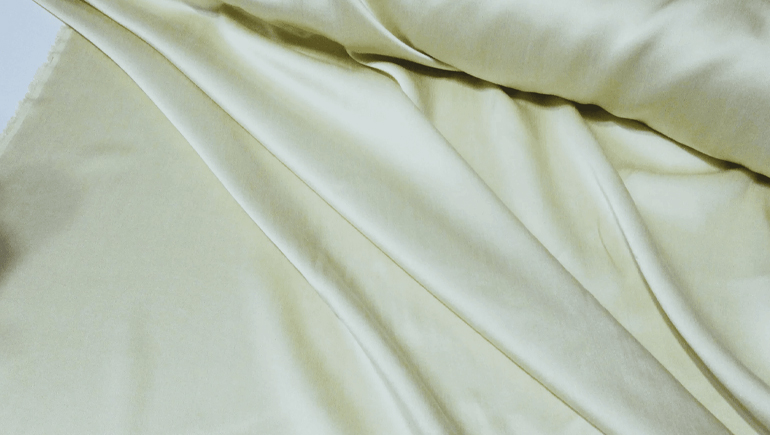
Modal is a semi-synthetic and cellulosic fiber made from renewable beech tree pulp. Technically, it has a high-wet-modulus (HWM) rayon, which is engineered to be softer and more durable than traditional viscose rayon. The several unique properties make it a versatile and eco-friendlier alternative to traditional materials, though it requires special washing care. Its silky smooth texture, moisture-wicking ability, and resistance to shrinking make it a favorite in clothing.
Originating from Japan in the 1950s, modern modal is dominated by Lenzing AG—a world-leading Austrian company that trademarked:
Lenzing controls wood sourcing, pulping, and fiber production. They set the standard for purity, sustainability, and performance in modal production.
Yes, modal is a great choice for those with skin sensitivity. Its smooth fibres and breathable design provide a cool and irritation-free feel. This is why many brands use modal in their knickers and sleepwear.
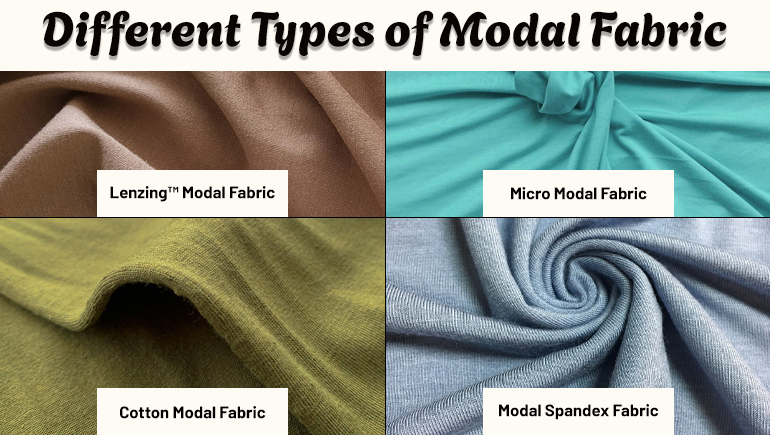
Renowned for its softness, breathability, and durability, Modal comes in several specialized variations designed for different applications. Let's take a closer look at the top Modal varieties and see what sets each one apart.
Lenzing™ Modal is a sustainable and wood-based fabric known for its exceptional softness, breathability, and durability - produced in closed-loop facilities with low chemical emissions and certified sustainable sourcing. It is considered suitable for apparel and home textiles.
Wondering what micro modal fabric? It’s a lighter, silkier, and more breathable variant with thinner fibers and a tighter weave made from beechwood pulp. It's processed with smaller holes in the spinneret, resulting in thinner and more luxurious fibers than standard modal. It is used in exclusive underwear, pajamas, and luxury bedding.
Cotton modal is a blend of cotton and modal fibers, resulting in a fabric that is soft, breathable, durable, moisture-wicking, and resistant to shrinking and pilling. The resulting fabric offers a silky and luxurious feel that is more absorbent and stretchy than cotton alone. Consider it ideal for t-shirts, dresses, and modal fabric pants that resist wrinkling.
Modal spandex comprises soft modal fabric and spandex, offering excellent stretch and shape retention. It is very common in activewear, leggings, and fitted underwear.
Modal fiber is made from the cellulose extracted from beech tree pulp. It’s sorted as a semi-synthetic fiber because it requires both:
Key materials used in making modal fiber are:

Modal fabric is breathable and feels soft and drapes beautifully, but its journey begins long before it reaches your exclusive wardrobe. Here’s how modal goes from wood pulp to finished fabric.
Beech trees are sustainably harvested, and their wood chips are chemically processed to extract cellulose fibers.
The pure cellulose pulp is pushed through tiny spinnerets to form fibers, which are then stretched to enhance strength and consistency.
The extruded fibers are spun into yarn, either used alone or blended with cotton or polyester to make organic modal fabric.
After spinning, the modal fibers are washed, stretched, and stabilized to remove residues and ensure consistent strength and quality.
The yarn is woven on looms to produce woven modal fabric or knitted on machines for knit modal, giving the fabric its final texture and appearance.
Read More: Knitted Fabric 101: Types, Uses & Finishing Techniques
Modal is more than simply a fad; it's a high-performance material that ticks several boxes at once. Here are its major features:
Modal fabric has many perks, but it isn’t perfect. Here are the key drawbacks to keep in mind that can help you care for it properly.
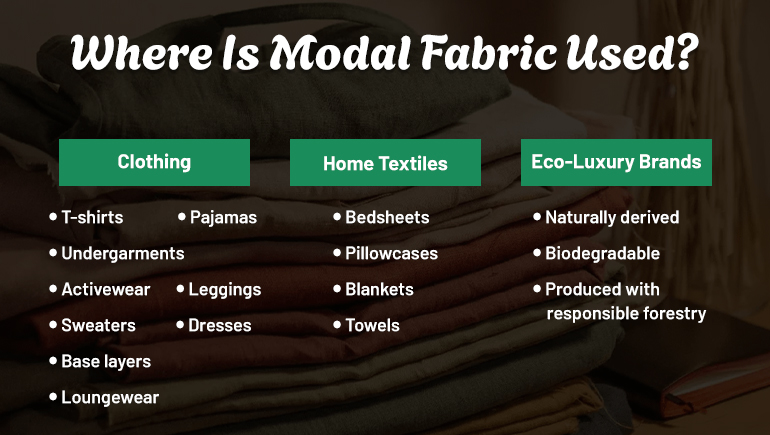
Because of its versatile nature, modal is used in many everyday and luxury products.
Modal is extremely common in:
These clothes capitalize on modal's elasticity, breathability, and moisture-wicking properties.
Modal also appears in:
Its smooth texture lets bedding feel ultra-soft and cool.
Sustainable fashion labels love modal because it’s:
It provides the luxurious vibe that buyers desire—without the environmental guilt.
Wondering in front of a clothing rack what ‘Modal,’ ‘Polyester,’ or ‘Rayon’ actually feels like, you’re not alone. Let’s compare them.
| Features | Modal Fabric | Polyester Fabric | Rayon Fabric |
| Source | Beech wood (natural) | Petroleum (synthetic) | Wood pulp (less refined) |
| Breathability | High | Low | Moderate |
| Softness | Silky and luxurious | Can feel plasticky | Soft but weak when wet |
| Eco‑friendly | YES | NO | NO |
| Moisture‑wicking | Excellent | Good | Poor |
| Odor retention | Low | High | Moderate |
| Stretchability | High | Low | Limited |
| Heat retention | Low | High | Low |
| Prone to pilling | Low | High | High |
| Feature | Modal | Cotton |
| Softness | Softer, silkier | Varies; can be coarse |
| Absorbency | More absorbent | Good absorbency |
| Durability | Highly durable | Strong, but shrinks |
| Environmental Impact | Lower (less water, sustainable forests) | Higher (water-intensive crops) |
| Breathability | Excellent | Excellent |
To keep the material looking its finest, proper upkeep is essential, and it is exceedingly simple. Following those straightforward measures helps to preserve the silken texture, rich color, and long-lasting strength.
When washing modal apparel, always use cold or warm water, as high temperatures might degrade the fibres with time. Use a moderate detergent to preserve the fabric's inherent suppleness. Also, it is already silky to the touch; therefore, heavy fabric softeners are unnecessary and can leave some residue. Lastly, a delicate or regular cycle is great for reducing needless stimulation.
Drying model is just as easy!
Air-drying is the greatest option because it protects the fibres while minimizing shrinking. If you want to machine dry, use a low heat setting and remove the clothing as soon as possible to prevent creases from forming.
Ironing must also be done attentively. To flatten out creases, use a low heat setting and steam as desired. Avoid high temperatures since they might scorch or harm the fabric.
Store modal clothing in a cool, dry location. Folding things, especially knit items, preserves their form and prevents straining.
If you value silky softness, breathable performance, and sustainable choices, then modal is the fabric you’ve been looking for. Whether it’s cotton modal fabric for daily wear, micro modal for luxury underwear, or modal spandex fabric for activewear, understanding the different types, pros, cons, and care tips will ensure your wardrobe stays comfortable and long-lasting.
Ready to experience the comfort and luxury of modal fabric?
Reach out to Vel Clothing fabric experts today at sales@velclothing.com and get personalized guidance. We specialize in premium Lenzing modal fabric and blends. Shop our collection of different fabrics or explore our ready-to-wear styles now!