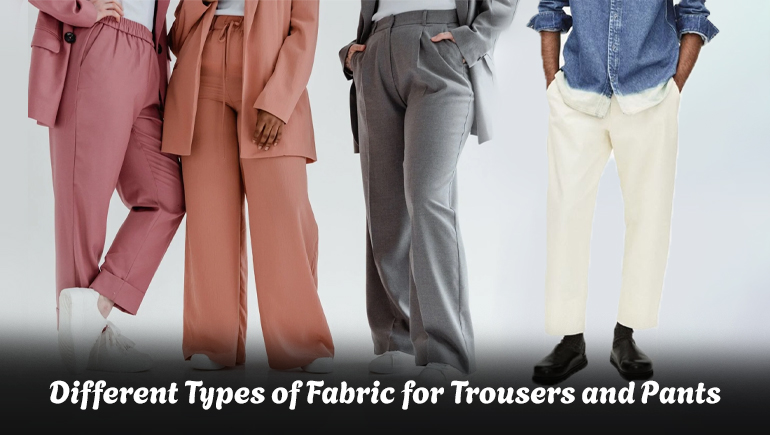
“Fabric selection is the foundation of quality.”
All the decisions, such as stitch tension and pattern grading, are based on the behavior of the pants’ fabric. A hard type of material can be stiff and structural, but it can also limit movement. Lightweight alternative material can be a good breather, but not durable. This is why skilled manufacturers consider the best-suited fabric to use in making pants in terms of weave, fiber composition, GSM, stretch recovery, shrinkage, and colorfastness. Moreover, price positioning is also determined by fabric.
The knowledge of the variety of pants fabric types is not merely technical, but also a business asset in the modern and competitive fashion industry.
Breathable and soft different pant materials with a moisture control feature must be essential for comfort, which is the most important when choosing the fabric for ladies' pants or summer collections. In short, it is prioritized where wearability matters most. Additionally, fabrics of stretch-blended pants further complement this ease by offering a flattering fit on slimmer bodies without any movement limitation.
Beyond comfort, appearance and aesthetics are directly influenced by the texture and shine of the material - from the smooth weaves of formal dress pants to the textured weaves of casual ones. Even wrinkle resistance and color retention play a major role in customer satisfaction.
To guarantee uniformity, quality, and performance over time, the makers thoroughly inspect and approve fabric batches before production. By knowing the type of fabric dress pants are composed of, the brands have power over quality, uniformity, and brand image.
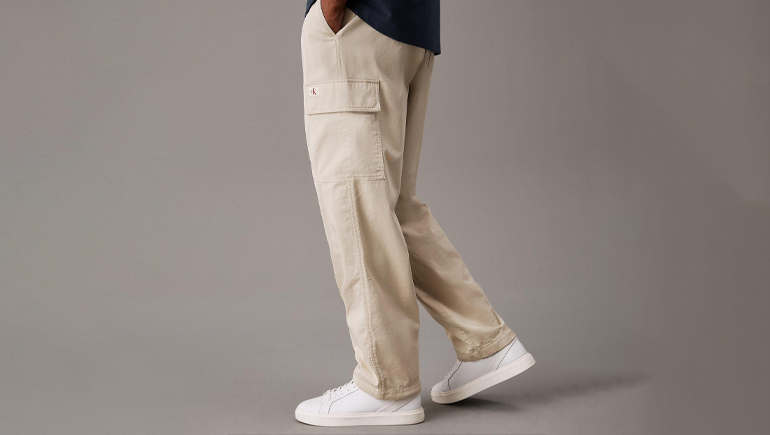
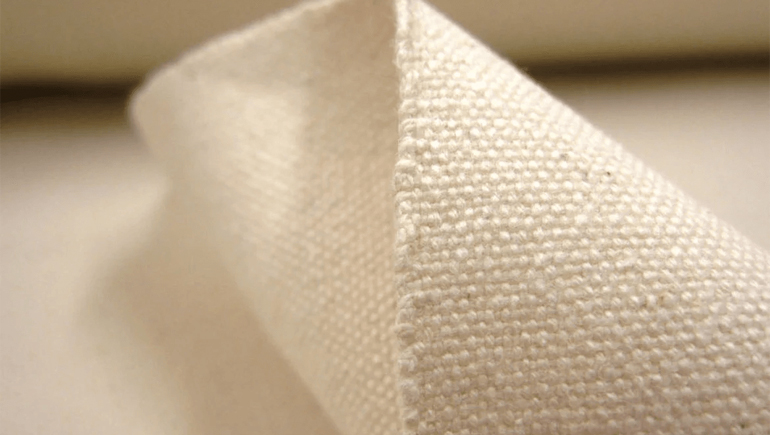
Cotton twill is a basic pant cloth material with a diagonal weave that is known to improve tear resistance. Twill does not weaken with repeated knee and hip folding, as is the case with plain cotton. This is perfect when it comes to the everyday kind of trousers, like the chinos and office casual pants. It is also suitable for structured garments.
Most importantly, cotton twill is incredibly easy to sew, dye, and maintain. What else makes it a versatile pick? The quality and softness differ per thread count and finish.
Most appropriate: Chinos and daily wear trousers + best fabric for ladies pants
Advantages:
Cons:
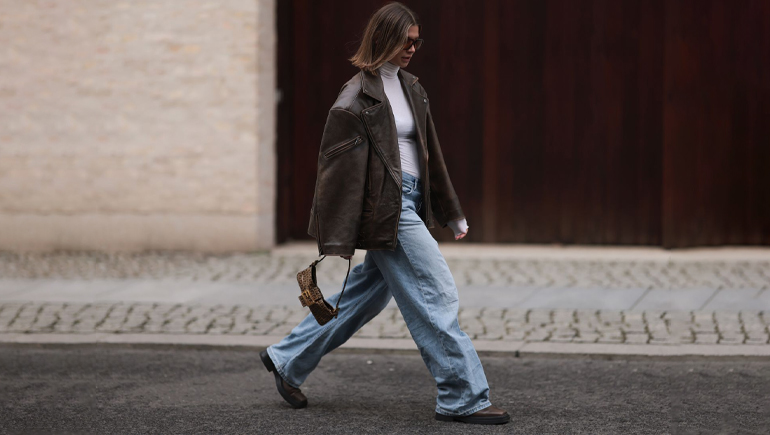
Denim is the only type of pants material that, due to its indigo warp-facing weave, enables the fading effects to be manifested over time. This is an aging feature that makes the product look customized and adds value to its emotional aspect.
Considering it is suitable for long-term wear, denim is prized for being resistant to tearing and everyday abrasion. Yes, it is very easy to style across seasons and trends. On the downside, it is heavy and stiff. Also, quality denim comes with a hefty price tag.
Best worn with: Versatile fabric used for casual jeans, workwear, and fashion pieces.
Advantages:
Disadvantages:
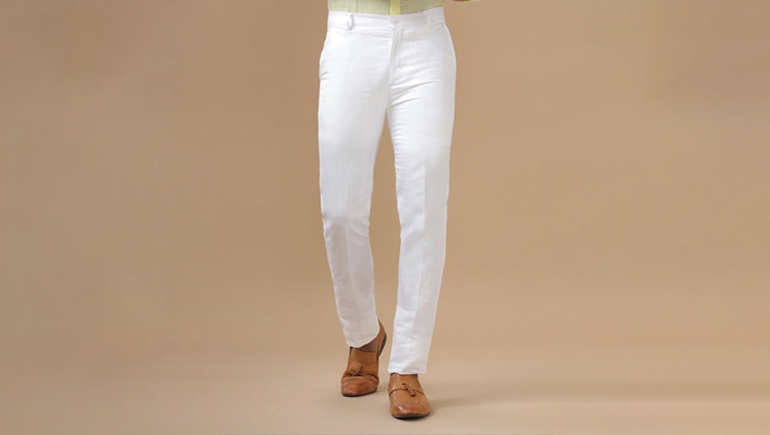
The characteristic feature of linen is the quick dissipation of heat. Its fiber structure enables the passage of air more quickly than that of cotton and thus, summer pants made out of the material are the best in hot weather. It keeps the body cool and comfortable.
Linen also dries fast once it comes in contact with moisture, making it less uncomfortable during wet weather. This is naturally strong and durable. Result? Improved softness with repeated wear! Despite a crisp look, it is put aside due to its reduced flexibility, which compromises comfort.
Fits best: Resort trousers + best fabric for summer pants
Advantages:
Cons:
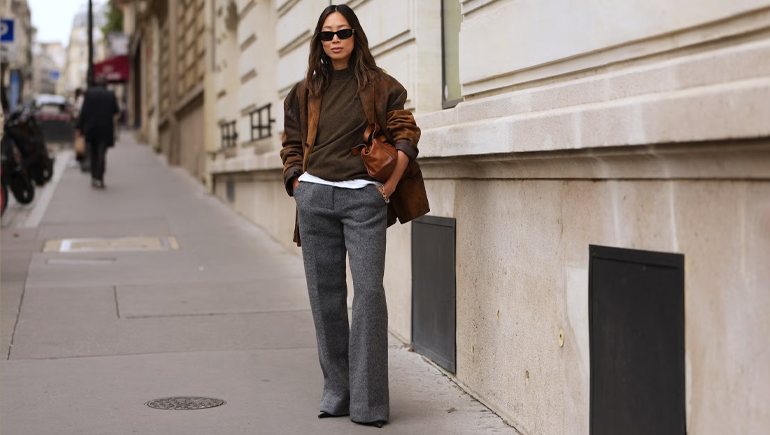
Two of the special features of the types of dress pants that wool has are its breathability and natural spring structure. The wool fibers bend and re-straighten so that trousers have inbuilt wrinkle protection. Further, it is insulating to keep you toasty in winter. It stands out for its long-lasting use (if given proper care). Not only this! The antibacterial property it has is the biggest plus. You can experience felting if pants are washed improperly. Unfortunately, it can be damaged by moths.
Most appropriate: Formal and business dress pants
Advantages:
Cons:
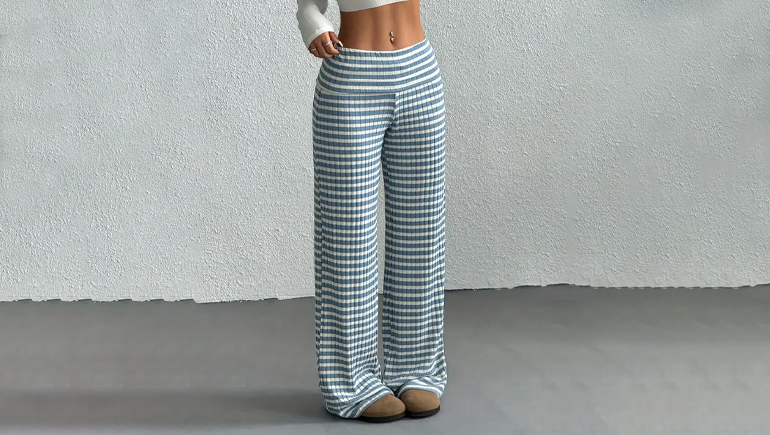
Polyester is good at shape-lock retention. Moreover, polyester trousers have pleats and seam alignment that become permanent once they have been heat-set during manufacturing. That is why uniforms and corporate kinds of trousers are based on polyester. Moreover, after washing, it dries quickly and is easy to care for.
This pant cloth material is resistant to chlorine and chemical exposure, hence suited to use in industries. In short, polyester retains color for a long time. BUT…the worst part is how it can trap heat and produce odor.
Most appropriate: Uniform and trousers that are used in industries + suitable for everyday and activewear
Advantages:
Cons:
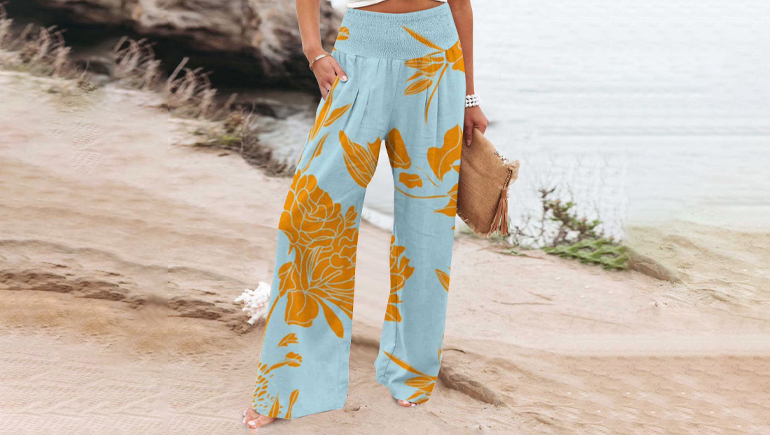
Talking about the best fabric for trousers, Rayon is one of the preferred picks in fabrics for pants for ladies due to its flowy and soft nature. This is also very absorbent to moisture, thus it does not stick to sweat on fashion wear. That's why it can be opted for warm-weather clothing. On the contrary, rayon fibers may lose their strength when wet, and therefore, one should wash them carefully. Additionally, the lightweight weaves can get wrinkled easily.
Best suited: For ladies' trousers and versatile fabric suitable for casual, formal, and summer wear
Advantages:
Cons:
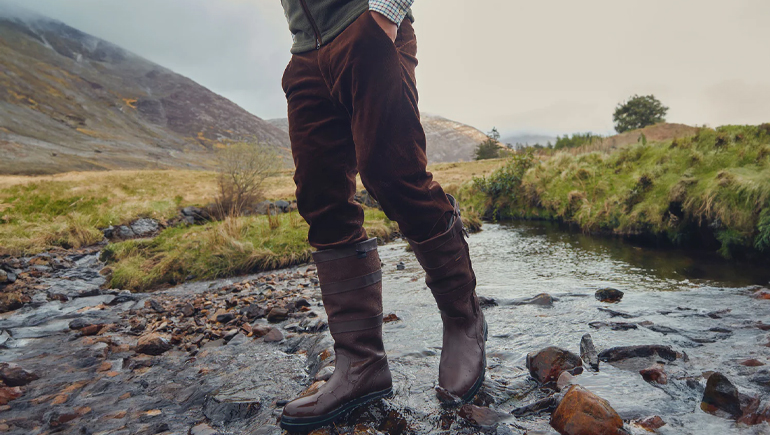
The special characteristic of Corduroy (one of the best fabrics for pants) is that it is thermostatically insulated with raised fiber ridges (wales). The air is trapped in these ridges, which give warmth in cold places. Where corduroy is rendered as an elite material in the pants collections for autumn and winter, its thick texture may feel heavy. And yes, it is durable with a long-lasting structure.
Fits best with: Loose casual pantaloons in winter.
Advantages:
Cons:
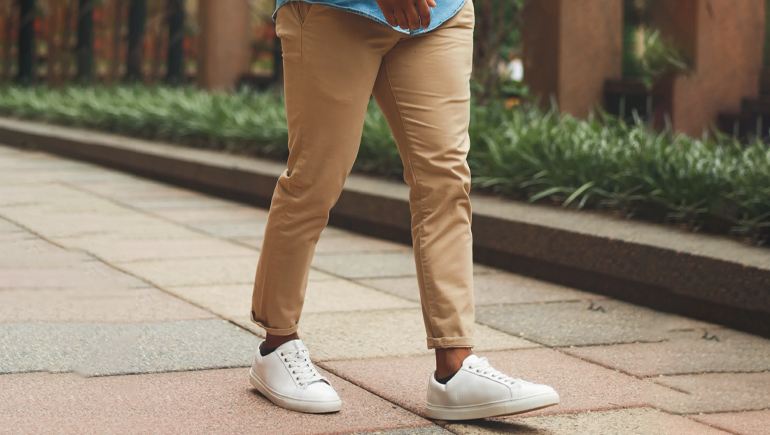
The Chino fabric is distinguished by its dense weave and is made of thinner yarns than cotton twill, resulting in a smoother appearance and a lighter weight. Garments washing methods that produce vintage effects without destroying the fiber integrity are also accepted by Chino fabric.
Most importantly, it ensures a long-lasting use. So, you can wear it with a variety of tops and footwear - all 4 seasons. But it is not likely a good choice for cold weather.
Best matched: Smart-casual trousers (perfect for casual and semi-formal wear)
Advantages:
Cons:
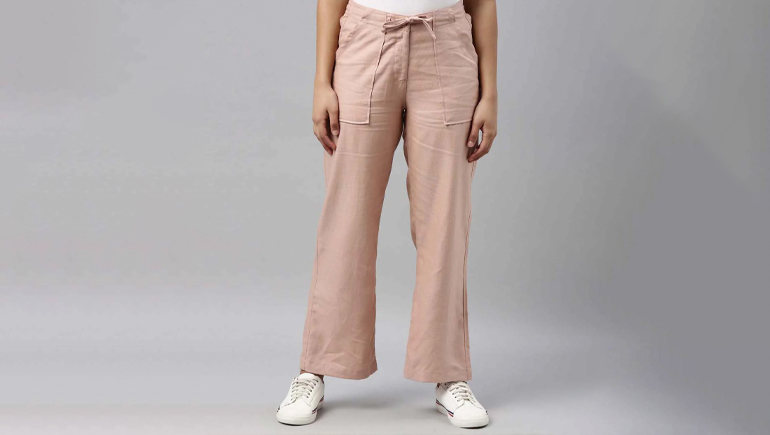
Elastic fabrics are known to be motion-adaptable. They stretch up to a length of five times and unwind immediately. This eliminates fabric bagging on the knees or seat parts. These types of pants fabrics are necessary in a fitted and commuting outfit. Nevertheless, too much heat in the course of ironing may undermine elastane fibers. It has somewhat wrinkle-resistance as well. One of the biggest disadvantages is that the stretch may weaken after repeated washing.
Characteristics: High extension recovery and anti-bagging.
Best fitting in: Slim fits, body-hugging black canvas pants, and travel pants.
Pros:
Cons:
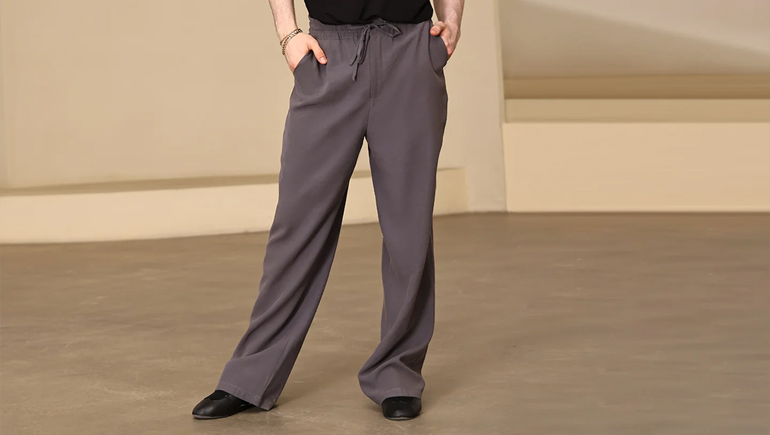
Technical fabrics are different pant materials that are resistant to the environment. Most of them have waterproof coats, UV protective yarns, or anti-microbial finishes. This categorizes them as suitable for the jogger pants material and the outdoor trousers. On the one hand, it can keep your body dry after intense gym sessions. On the other hand, it promises ease of movement with abrasion-resistant properties. Surely, these are ergonomically designed for athletic fit and performance efficiency.
Most appropriate: Outdoor pants, gym clothing, and sportswear.
Advantages:
Cons:
Still asking what material dress pants are made of? The choice of the best fabric for trousers is a tactical move that determines the level of comfort, the lifespan, and the brand image. From breathable linen to fine wool and high-performance synthetics, when it comes to trousers and pants, it is significant to learn the various types of materials to make smarter purchases and satisfy customers.
In case you are serious about creating your second line of trousers, call Vel Clothing at +804-294-1996 and have the experts help you create a masterpiece in any of the classic or advanced pants material types.