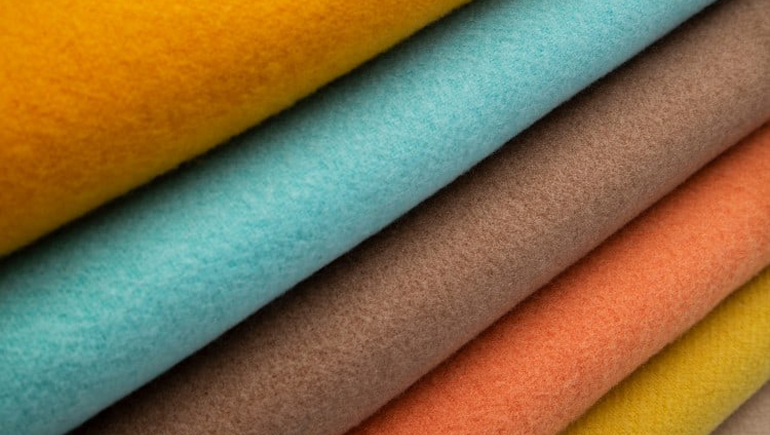
Ever put on a shirt that felt scratchy and thought, Nope, not today? Or slid into bed and instantly sighed because the sheets were so soft? That’s the power of fabric.
Gentle fabrics just feel right, whether it’s pulling on a soft t-shirt, sliding into smooth sheets, or finding the lightest pants for summer.
Softness is more than about luxury for everyday comfort, skin health, and yeah, sometimes just a little bit of self-care. The right fabric makes a great impact in making you cozy at home, fresh in summer, or extra fancy on a night out. Soft clothing fabrics have multiple benefits. For Instance, feeling good on your skin, helping you sleep better, and even protecting sensitive skin from irritation are the main ones.
In this guide, we will see the 15+ softest and most breathable fabrics in the world. Additionally, what makes them feel amazing, what they’re best used for, from bedding to lightest men’s pants, and how to choose the right one for you.
When it comes to the softness of fabric, it varies from person to person. Every individual has different means of fabric softness, but silky, smooth, fluffy, cozy, and lightweight are the common means of it.
The material becomes soft when it is produced from the fine, smooth fibers, the way they’re spun. The other thing that matters is its finishing. The more smooth is the finishing is from inside and outside of the clothes and beddings, the more it feels squishy on the skin. It gives you comfort and a luxury feel.
Do you know what the softest fabric is for a blouse? Probably silk. For a blanket? It's fleece or cashmere. And for a summer shirt? Cotton or linen is the top choice.
So “soft” depends on where and how you use it.
Use: the softest cloth for bedding isn’t the same as for men’s lightweight shorts or women’s lightweight pants.

Not all soft fabrics have the same meaning. Some of them are good for summer and others for warmth, and they feel cool and silky against the skin.
We have collected the world’s softest fabrics. You can choose from everyday basics to high-end luxury options. Each type of fabric is soft but has different purposes. You can choose the right one for your clothes, bedding, and accessories.
Silk is an inherently smooth fabric and is known for its luxury and beauty. Its smooth and shiny appearance attracts attention wherever it goes. People are obsessed with this soft fabric due to its comfort because it glides effortlessly on the skin. This natural fabric is extracted from silkworm cocoons, which feels gentle like clouds on the skin.
Which silk grade is the best? The 6A-grade mulberry silk is the finest quality. You can also find soft fabrics like silk charmeuse. For blouses, gowns, lingerie, scarves, jackets, dresses, sleepwear, pillowcases, and bedding, it is the top-tier fabric. If you are hypoallergenic, then you must opt for this material because it's breathable and hypoallergenic.
Tip: Opt for mulberry silk or charmeuse silk if you want the softest finish.
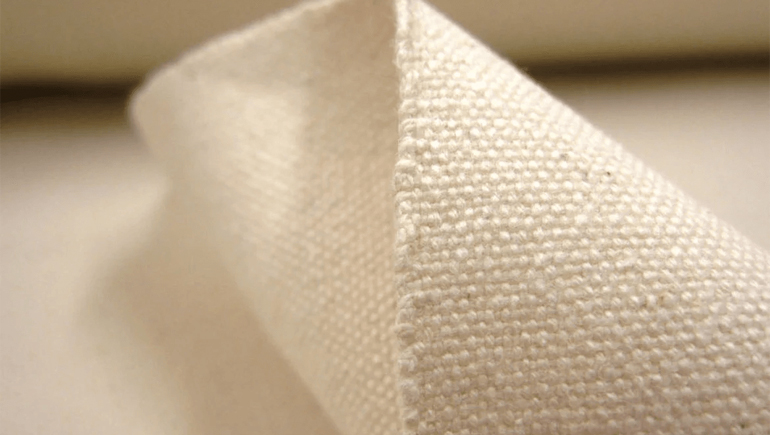
The wide use of sift cotton is mainly in the apparel industry for sheets, jackets, pants, t-shirts, and towels. It has made a separate marketplace for years due to its lightweight, breathable, skin-friendly, and versatile qualities. There are many types of cotton, like Egyptian, Pima, Supima, and Organic. The softness depends on the number of fibers used to create each type. The top quality cotton is organic cotton, which wins the race.
Extra-soft finishes: cotton sateen for a silky touch, cotton flannel for cozy warmth.
Cashmere comes from the fine undercoat of cashmere goats, with fibers as thin as 14–19 microns, making it incredibly soft and warm without being heavy.
There is no comparison of wool due to its premium use for activewear, sweaters, and base layers for winter. It is made with the skin of sheep and angora rabbits that keep you warm. This soft clothing fabric has a natural elasticity that retains its shape and increases its softness and comfort.
There is also a subtype of wool called merino wool. It is perfect for all Seasons. The finer the fibers, the softer it feels on the body, instead of itching. 15-24 microns in diameter is the usual diameter. Unlike traditional wool, merino is smooth, lightweight, and temperature-regulating, making it perfect for year-round wear.

Bamboo fabric is loved for being eco-friendly, naturally smooth, and breathable. It feels silky like rayon but is more sustainable because mechanical crushing or Lyocell closed-loop production processes are used.
It has bamboo fibers without sharp edges, which provide a gentle effect when touched on the skin. The main use of this fabric is for underwear, activewear, t-shirts, dresses, and eco-friendly bedding.
This soft fabric is made from beech tree cellulose, which is an ultra-soft fabric. Modal is durable, resists pilling. holds dye well, and keeps colors vibrant. It maintains a silky texture after long use and frequent washing. It is suitable for home wear, underwear, and t-shirts because of its soft touch and good drape.
Viscose is another cellulose-based fabric. This fabric’s quality is smoothness, breathability. It found the lightest and affordable material than silk but has the same look and feel. The common uses of this gentle material for clothing are dresses, linings, and home textiles.
The raw material of rayon is similar to viscose. Rayon is like a mixture of silk and cotton that provides a smooth surface and a gentle touch. Its qualities are good air permeability, moisture absorption, and color retention. The breathability of this material makes it ideal for summer clothing, activewear, and casual attire, which gives comfort.
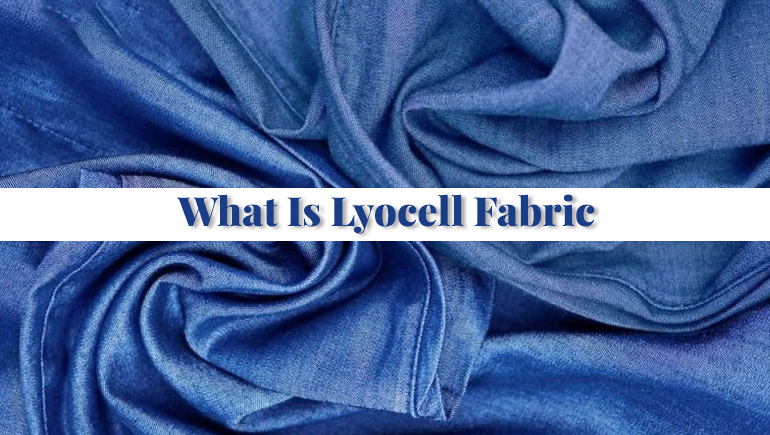
Made from sustainable wood pulp, Tencel is silky, smooth, and eco-conscious. It’s also breathable and naturally moisture-wicking, perfect for hot weather.

This fabric feels very rough on first contact with the skin. It improves the texture after regular washes. After washing, you will feel the buttery soft and breathable abilities that make it best for hot and humid climates. It is good for summer clothing and home textiles.
Velvet has a comfortable texture and feels smoother on the skin. It stands out for its dense pile and rich texture, making it soft, plush, luxurious, and comfortable to wear. For eveningwear, upholstery, cushions, and women's dresses, velvet proves to be the luxury choice. This fabric is soft due to the cut, carn Loops, and fibers other than the dense piles.
It is the softest fabric, which is made from ultra-fine polyester fibers like polyester and polyamide. These fibers are found to be thinner than human hair. Microfibre is lightweight, durable, and absorbs moisture, surprisingly soft for its price point, and best for sportswear, cleaning cloths, bedding, and robes.
Have you seen fluffy material inside the chunky sweatshirt, jackets, blankets, hoodies, and loungewear? All these clothes are made with fleece. Fleece is a brushed polyester fabric that feels fluffy, insulating, and perfect for cold weather. It keeps you warm and comfortable.
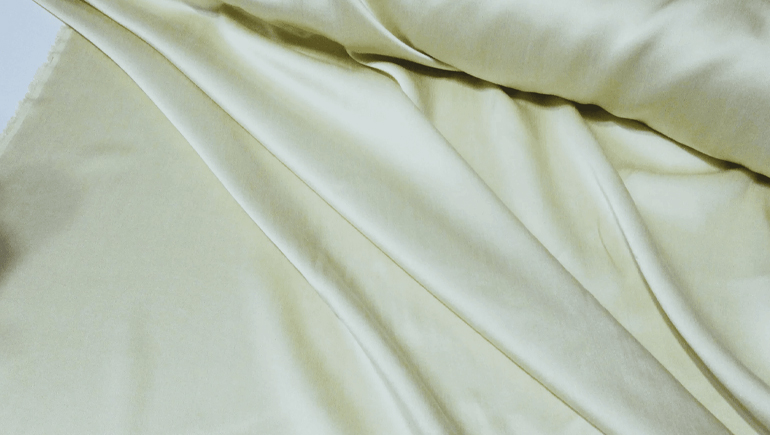
Satin weave and fabric types like silk, polyester, acetate, and nylon make the satin fabric soft. You have seen lingerie, gowns, and beddings of satin in the market. These mentioned satin products are best because it the skin.

Chambray looks like denim and is made from a cotton weave and amde from made from either linen or cotton. The main quality is its high breathability, softness, and lightweight than denim fabric. It is a considerable warm-weather option. The shirts, pants, and skirts are their best uses.
Cashmere is the top fabric that is used for high-end clothes. Sweaters, scarves, shawls, socks, and gloves are manufactured. It usually has 14 to 19 microns, which is great for the warmth. This fabric doesn’t have coarser fibers, which results in a smooth and gentle feel. It is also thinner than ordinary wool.
Several factors significantly contribute to making the fabric soft. From fabric types to time and care. The following are a few things that go into that gentle touch:

Picking up the right fabric is a game-changer for your brand. Let's see what the best material is for clothing, loungewear, activewear, and bedding. Here is the explanation regarding soft material fabrics from which you can choose as per your need:
The materials like cotton, linen, and bamboo are the best for summer. These light fabrics for summer have breathability, which won’t make you sweaty. When it comes to perfection for lightweight men’s work pants or breezy women’s clothing, you can close your eyes and select these soft fabrics mentioned above.
For casual loungewear wearers, modal and rayon have been the ideal choices. Lightweight lounge pants or PJs made with these materials are the comfiest.
Gymwears need breathability due to excess body heat and sweating during workouts. So, merino wool and Tencel are another type of fabric that offers softness with breathability.
For sheets and pillows, there is no better option than bamboo, cotton sateen, or silk. The bedsheets made with these materials feel incredible against the skin when an individual hits the sack. After choosing the desirable fabric, now is the time to find ways to soften it at home.
Do you really want to know the DIY methods for softening the fabric? Is yes, then you will see some interesting. By simply following these ways, you will soften fabric at home:
You must be aware of the dos and don’ts for maintaining the softness of the material. By knowing these, you will get softer clothing material for longer. Here is the breakdown:
Softest clothing materials are about comfort, health, and how good you feel in your own skin. We have given you an ultimate guide about the 15+ soft fabrics from the timeless luxury of silk to the everyday coziness of cotton, from breathable summer linen to plush winter cashmere. After discovering these types of soft cloth, you clear all the queries regarding their uses and extractions. Want breathable pants for summer? Go for cotton, linen, or bamboo. Need cozy winter wear?
Cashmere, fleece, or merino wool will keep you warm and soft. And if you’re after a mix of eco-friendly and silky fabrics like Tencel and bamboo, tick both boxes. Vel Clothing is one of the reputable clothing manufacturers in the USA. We make the best clothes within your budget. Email us at sales@velclothing.com or call at +804-294-1966 to order soft attire.