
Honestly, most of the athletes and hobbyists keep the cut, shade, and style of the swimwear a priority when buying a new one. Standard or high-leg? Small or modest? Beneath the seams, however, is a much more significant detail: what is swimsuit material made of?
The fabric ultimately determines how your swimsuit feels on your skin, how easily it expands and snaps back, how well it withstands chlorine and seawater, and whether it retains its original shape after a week at the beach.
If you recently bought a swimsuit that turned see-through, saggy, or rough after just a few washings, you already know why fabric is important.
So let's thoroughly analyze it. No ambiguous statements. No jargon about fashion. Just genuine, practical information and helping you to pick the best one for your routine.
BONUS:
The fibers used in modern swimwear are designed to balance four key characteristics:
Modern swimwear is fundamentally composed of synthetic fibers. Brands are using performance-driven blends. These can function with water rather than against it. In recent times, you will find a primary collection of swimsuits made with a mix of:
Each fiber has a distinct function, and their blending is what creates the fascination. What is swimsuit material made of, then? The true response is that it relies upon the purpose of the swimsuit.
Advice: Since they collect water, spread out, and dry very slowly, natural textiles like cotton or linen are not appropriate for swimwear.
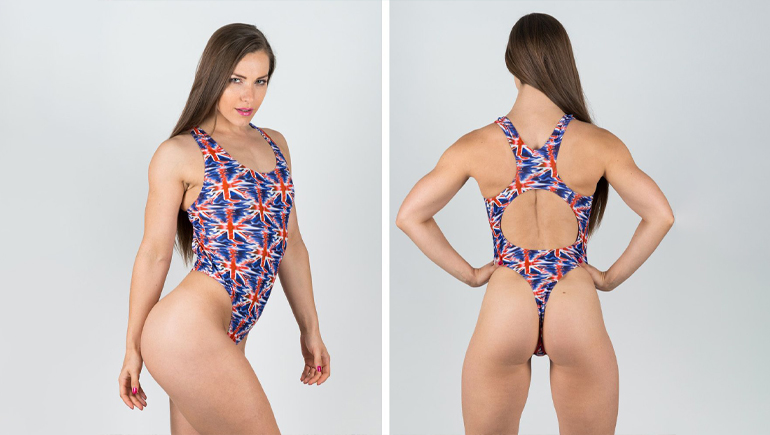
If you've ever sported a swimsuit that was chic, lightweight, and buttery-soft, it was probably made of nylon. One of the most popular swim materials, particularly for stylish items! It is flexible, soft, and nicely conforms to the body without becoming stiff.
For this reason, swimwear made of nylon elastane predominates in high-end designs. While nylon offers a silky finish, elastane offers suppleness and snap-back. This material is also very common for tracksuits.
Chlorine doesn't appeal to pure nylon. Frequent exposure to the pool might eventually weaken the fibers, causing fading or a lack of suppleness. Because of this, nylon-heavy swimwear is more appropriate for casual swimming, beach days, and holidays than for daily laps.
Nevertheless, nylon performs flawlessly when both style and comfort are most important.
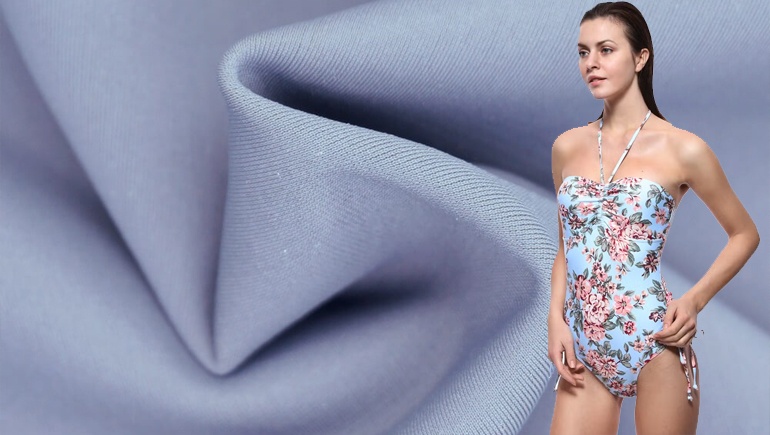
Nylon elastane swimwear is the most popular combination in today's swimsuit stores, and for a good cause. The strongest of both worlds is provided by this combination:
This explains why bikinis, one-pieces, cut-out designs, and luxury collections frequently use this combination.
This mix is difficult to beat if your top concern is how the swimsuit appears and performs on your body.
Let's make everything straightforward…
What spandex brings to the table?
Because it would be impractical, a spandex swimsuit isn't composed entirely of spandex. Instead, the elasticity of swimwear comes from a blend of spandex, often ranging from 10% to 30%. When you move, a Lycra spandex swimsuit stretches and then snaps back into position rather than drooping.
Bottomline: Swimwear just wouldn't function without elastane. And yes, gym clothing, too.

Polyester swimsuits are unflinching in terms of endurance. This is a popular material for training suits, athletic swimwear, and long-lasting everyday items since the material is naturally resistant to chlorine, UV radiation, saltwater, and repeated washing. Moreover, it avoids that awful stretched-out appearance, holds color astonishingly well, and maintains its shape swim after swim.
Synthetic textiles have advanced considerably. Modern polyester blends provide greater adaptability without compromising durability, particularly when combined with elastane. Unlike previous iterations, they are no longer abrasive or inflexible. Therefore, polyester is a wise, straightforward investment whether you're a frequent swimmer or want a suit that will last season after season.
Neoprene is a synthetic rubber material utilized in sculpted fashion swimsuits, curvy-style swimwear, and scuba diving swimsuit designs. Unlike nylon mixes, it doesn't stretch or drape owing to its bold, architectural build. Rather, this fabric provides:
| Specification/Quality | Nylon Swimwear | Polyester Swimwear |
| Feel | Softer, silkier | A little firmer stretch |
| Stretch | Excellent | Moderate |
| Chlorine Resistance | Medium | High |
| Color Longevity | Good | Excellent |
| Best For | Fashion + comfort | Performance + endurance |
We also advise you to check our sportswear, where you can also find a variety of nylon, polyester, and their blends.
There isn't a "best" swimsuit material, just the appropriate one for your intended application. The secret is to adapt fabric behavior to practical applications rather than merely its looks.
Blends of nylon and elastane provide the perfect amount of ease, mobility, and contemporary style.
Swimwear made of polyester outlasts most materials in terms of long-term resilience and can withstand chlorine lap after lap.
Higher spandex content enhances stretch recovery, offering a sculpted, body-contouring fit with reliable support.
Neoprene offers insulation and structure that traditional swim fabrics simply can’t match. Check out our towels made of the best quality materials for diverse purposes.
When people ask, “Why does this swimsuit feel better than others?” The answer almost always comes down to fabric engineering. Knowing what kind of material your swimsuit is made of will help you make smarter choices.
Fabric is the cornerstone of VEL Clothing. Selecting materials that move with you, maintain their shape, and function where it counts most is the first step in creating any cut, curve, or contour. It is your turn to buy swimwear designed with purpose, not shortcuts with materials that stretch and support.