
Picking the right type of leather might mean deciding between a product that lasts for weeks and one that becomes a lifelong friend. Each style of leather, from buttery soft lambskin to tough nubuck, exquisite full-grain leather to sturdy bonded leather, has its own texture, uniqueness, strengths, and applications. Although many people only see the word "leather" on a label, not all leather is made equal; some are genuine, durable, and designed to age gracefully, while others are made for specialised performance, cost, or versatility.
We break down 12 different varieties of leather in this guide, including how they are created, where they work best, and what makes them remarkable, so that you can decide with knowledge.
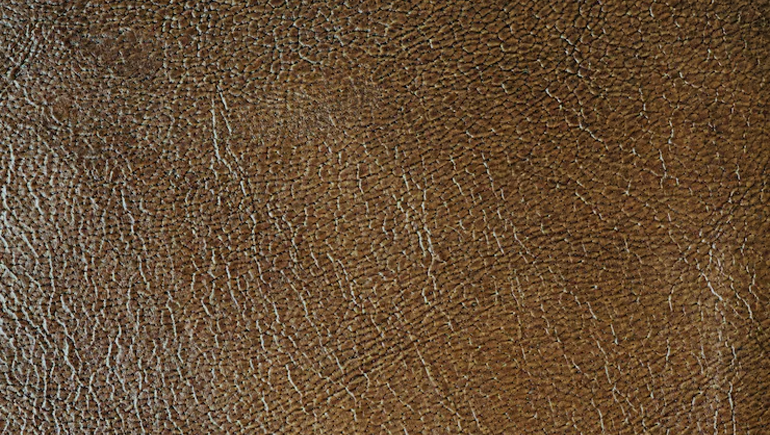
Renowned for its unmatched quality and authentic grain, full-grain leather is made from the top layer of the animal hide with no sanding or buffing. The amazing strength and natural beauty make it ideal for a wide range of premium products, such as:
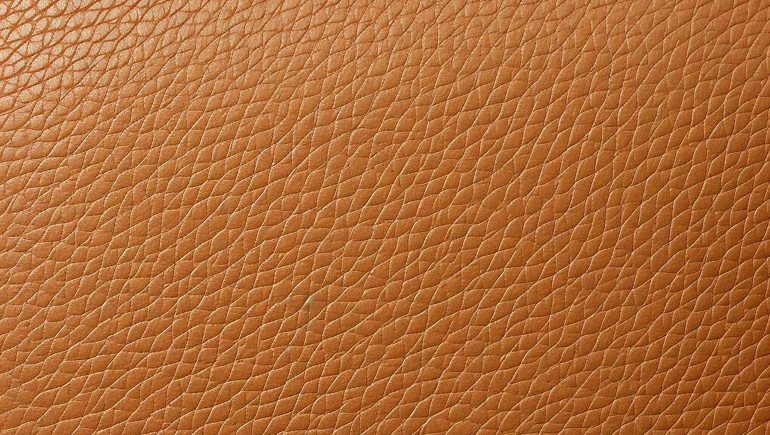
Top grain leather is the second-highest quality leather. It starts as full grain but undergoes light sanding or buffing to remove surface blemishes, resulting in a smoother and more uniform appearance. Also, it’s then coated with a pigment or polyurethane finish for added protection.
Most importantly, top grain leather comes in two different categories. One is aniline leather recliners that have a natural appearance, but are still prone to stains. The other is semi-aniline, which is relatively more resistant as it features a protective finish. This variety is perfect for:
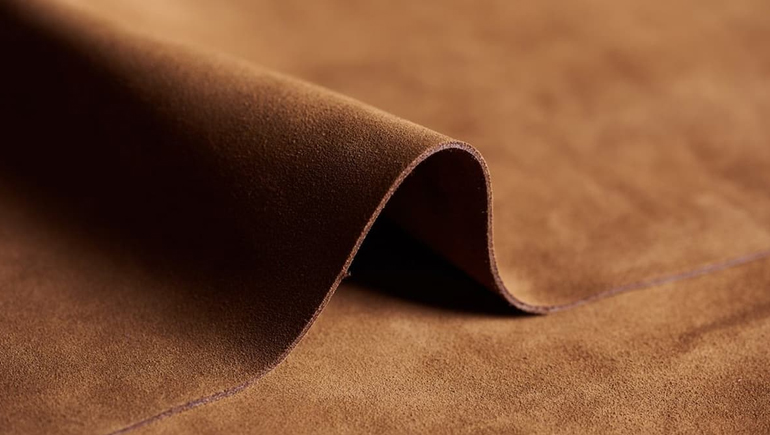
Nubuck leather is made by lightly sanding the top surface of the hide, creating a soft and velvety nap. It is softer than suede but much more durable, and retains the strength of the outer layer. It is widely used in:
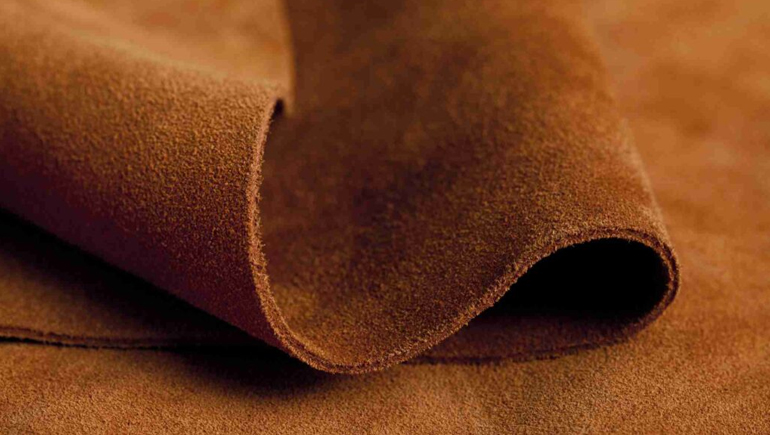
Suede leather is created from the flesh side (inner layer) of the hide. It can come from full-grain hides, too. While softer than nubuck, it’s also less resistant to abrasion, yet it retains its soft and matte surface. Suede is most liked in the fashion line, including:

Split-grain leather comes from the inner layer of the hide after the top grain is separated. While not as high-quality as full- or top-grain leather, this is durable, resistant to wear, and more affordable. Its rougher texture makes it ideal for casual or rugged items:
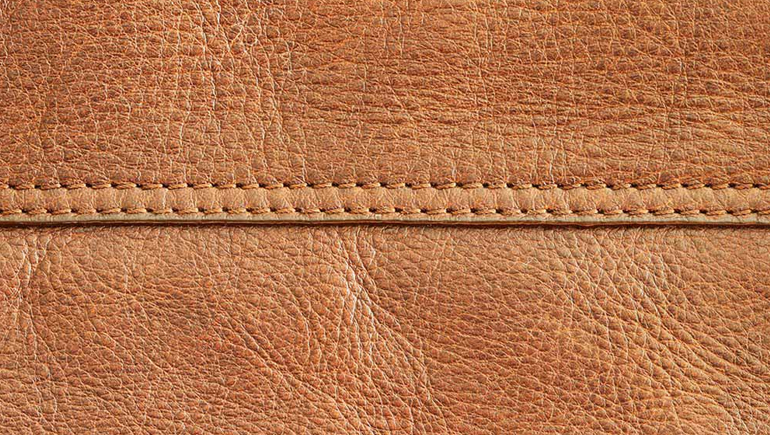
Bonded leather is the lowest grade of "real" leather. It is made by shredding leftover leather scraps and fibres together, then pressing them into sheets with a plastic coating that is embossed to look like a leather grain. Its uses are popular in:

Pigmented leather isn’t a leather grade; it's a protective finish that is applied to top grain leather. The real leather is coated with a durable pigment finish for consistent colour and scratch resistance. An excellent choice for homes with kids or pets. Best used in:
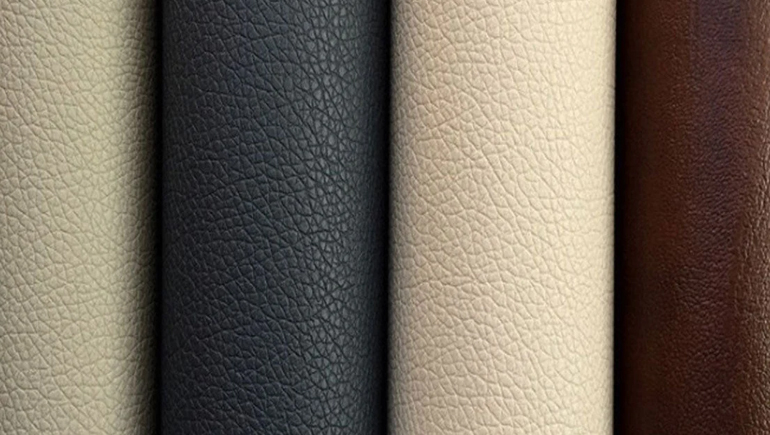
Also known as vegan leather, faux leather is 100% synthetic, made from:
OR
The best part? It mimics the vibe, texture, and appearance of real leather. Yes, at a much lower cost! This man-made alternative offers consistent quality and is incredibly easier to maintain. Moreover, it is best for:

What is patent leather? Patent leather achieves its high-gloss and mirror-like shine from multiple layers of lacquer or plastic coating applied over top grain leather. Commonly used in:
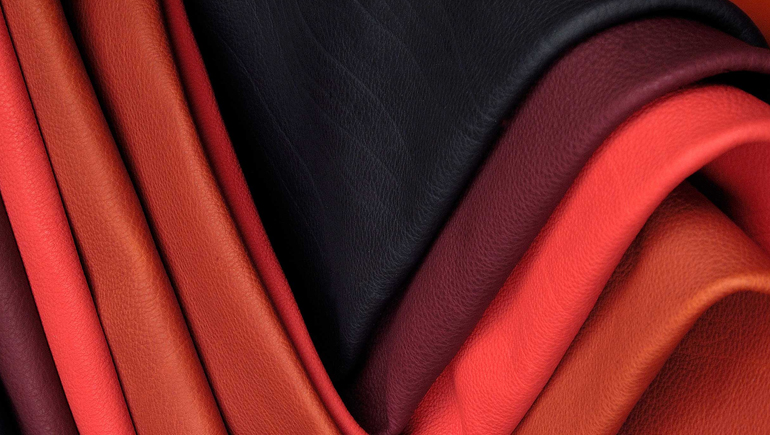
Bicast leather (also known as bycast leather) utilises split leather and embosses it with a printed grain pattern, then coats it heavily with polyurethane (PU) or PVC. This results in a leather-like surface that looks convincing. It's often marketed as "genuine leather" and commonly used for:
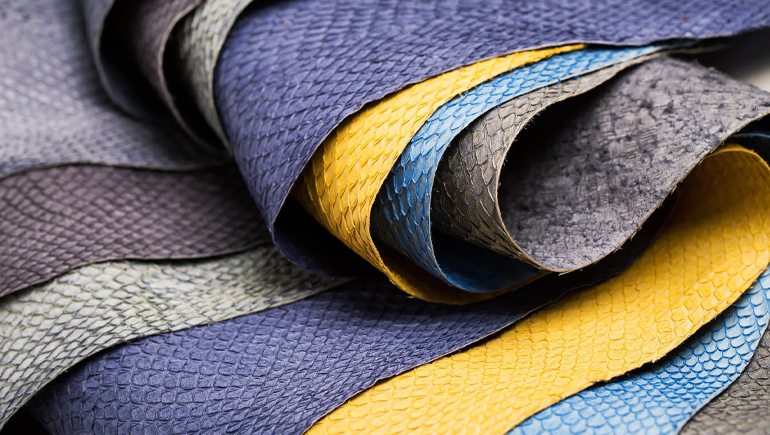
This type of leather includes leather from reptiles, ostriches, and other non-common bovine animals. They are valued for their unique textures and patterns. Besides, their uses are for ultra-luxury goods and high-fashion accessories.
These rare hides command premium prices and are tightly regulated:
| Leather | Source | Key Features |
| Alligator/Crocodile | Reptile skin | Distinctive scale pattern |
| Ostrich | Bird hide | Raised quill follicles |
| Python | Snake skin | Dramatic natural patterns |
| Stingray | Fish hide | Pebbled "pearl" texture |
Note: Exotic leathers often come with high price tags and ethical considerations.
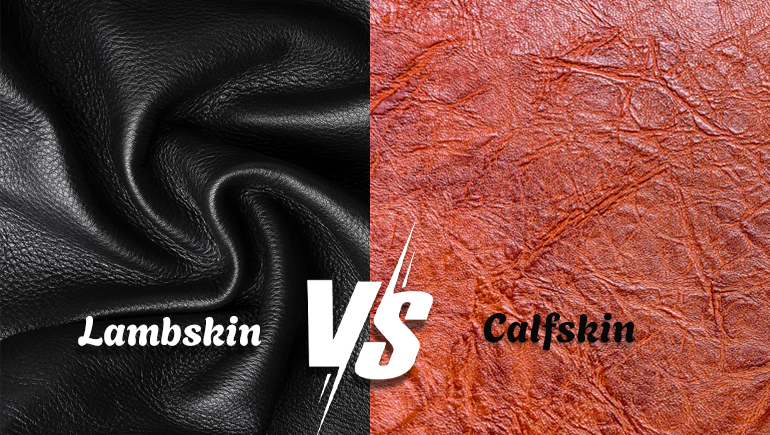
If you have ever shopped for premium leather, you’ve probably stumbled across the classic option: lambskin or calfskin. Before you make the call, here’s a quick look at them.
While less durable than calfskin leather, lambskin leather is super soft, supple, and lightweight. It has a smooth and buttery feel. Also, it is most commonly used in luxury jackets, gloves, and haute couture pieces.
Calfskin leather is denser and more durable than lambskin while still being very soft. It has a smooth and tight grain. Indeed, this type is prized for its use in premium footwear, handbags, boots, wallets, and dress shoes.
Leather comes in several forms, each with its own look, feel, and strength. Here’s a simple snapshot of the main types you should know.
| Leather Type | Durability | Price | Best for |
| Full Grain | Highest | High | Premium goods, boots, bags, belts, heirlooms |
| Top Grain | Very High | Mid-High | Jackets, bags, furniture, wallets |
| Split | Medium | Mid | Linings, cheap upholstery |
| Nubuck | High | Mid-High | Shoes, jackets |
| Suede | Medium | Mid | Fashion items |
| Bonded | Low | Very low | Budget decor |
| Pigmented | High | Mid | Sofa, cars |
| Faux | Mid-low | Low | Vegan alternatives |
| Lambskin | Medium | High | Fashion |
| Calfskin | High | High | Footwear, bags |
| Patent | Medium | Mid | Formal wear |
| Bicast | Medium-low | Low | Budget furniture |
| Exotic | Very high | Very high | Luxury goods |
By understanding the basic difference between each type, you can assess the true quality and value of any leather type. Opt for full-grain for a lifetime investment, or select top-grain for beautiful, durable everyday items. What matters most is matching the leather to your lifestyle, budget, and expectations. With the insights in this guide, you’re now equipped to make smarter, informed decisions when buying leather goods that truly suit your needs.
Want to avoid costly leather mistakes and ready to invest in leather that lasts a lifetime? Contact Vel Clothing via email sales@velclothing.com for consultation. We are here to help you out.